August 25, 2026
Looking to keep yourself up to speed with the latest solar news and developments? You’re in exactly the right place. Here, we cover everything from our own company updates and exciting project announcements to breaking industry news, emerging solar technology and important developments across the renewable energy sector.
Whether you’re researching solar for your business, keeping an eye on the latest industry trends or simply looking to understand how solar energy is evolving, our articles are designed to give you useful, straightforward information. You’ll also find in-depth guides, expert insights and practical advice to help you make informed decisions and get the most out of your energy technology.
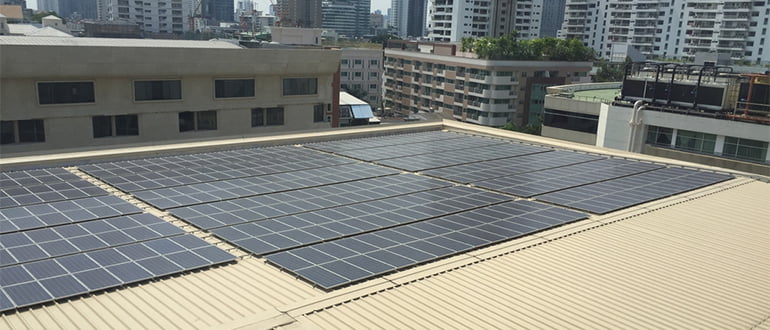
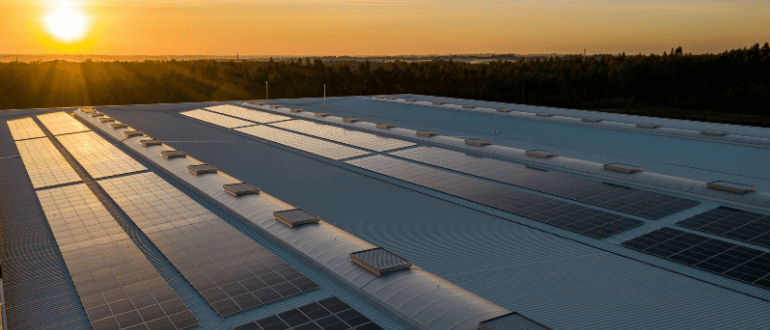
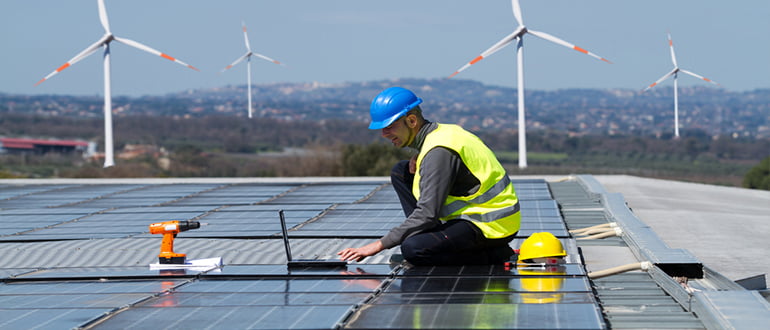
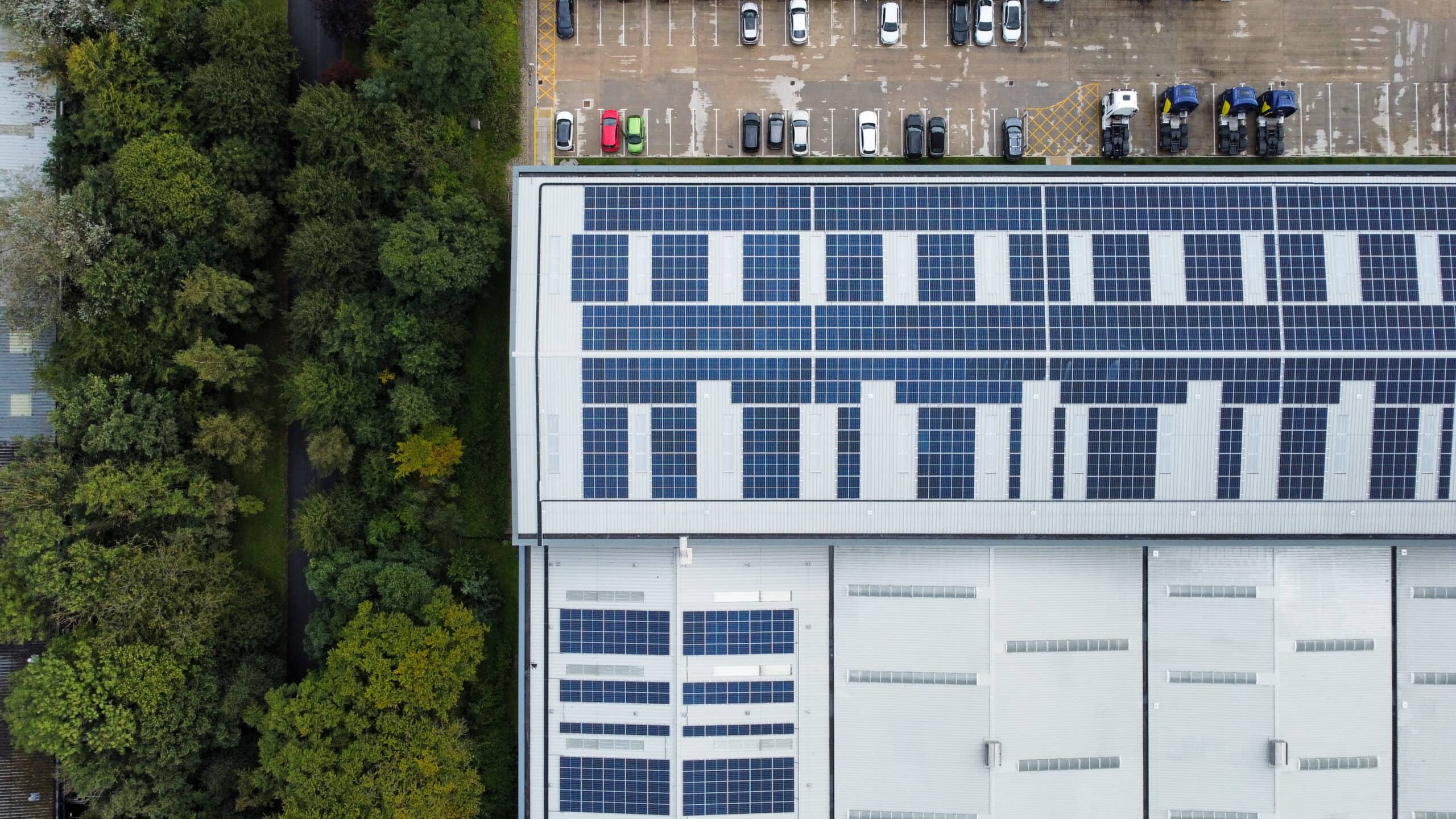
Warehouses are among the best commercial buildings for solar energy generation.
Across Lancashire, North West England, and the wider UK, businesses are increasingly investing in commercial solar panels to reduce operating costs, improve energy security and achieve long-term sustainability goals. With expansive roof space, high daytime electricity consumption and growing pressure to reduce carbon emissions, warehouses are uniquely positioned to benefit from commercial solar.
Whether you operate a logistics hub, distribution centre, cold storage facility or e-commerce warehouse, installing commercial solar panels can transform an underused roof into a valuable business asset.
At Activ8 Energies UK, formerly Low Carbon Energy and backed by SSE, we design, install and maintain bespoke commercial solar PV systems for organisations across the UK. Here’s why warehouse buildings continue to be one of the strongest investments in renewable energy.
Unlike many commercial properties, warehouses combine several characteristics that make them highly suited to solar power.
These include:
Rather than leaving thousands of square metres of roof unused, businesses can generate renewable electricity every day while reducing reliance on the National Grid.
The biggest advantage warehouses have is simple—space.
Modern warehouses often feature large, unobstructed roofs capable of supporting hundreds or even thousands of solar panels.
This allows businesses to install larger systems that generate significantly more electricity than smaller commercial buildings.
The greater the available roof area, the greater the opportunity to offset grid electricity and lower operating costs.
For many businesses, their roof is one of the most valuable assets they own—it simply hasn’t been utilised yet.
Commercial solar performs best when electricity is used as it is generated.
Fortunately, warehouses typically operate throughout the day, with electricity being consumed by:
Because energy demand often aligns with daylight hours, warehouses can consume a large proportion of the electricity generated on-site.
This increases self-consumption, improves return on investment and reduces exposure to rising electricity prices.
Energy remains one of the largest operating expenses for many warehouse operators.
Installing commercial solar panels allows businesses to generate a significant proportion of their own electricity, reducing dependence on increasingly volatile wholesale energy markets.
The result is:
For organisations operating multiple warehouse facilities, the savings can become substantial over the lifetime of the system.
Sustainability is no longer just a corporate initiative—it has become a commercial requirement.
Customers, investors and supply chain partners increasingly expect businesses to demonstrate measurable environmental progress.
Commercial solar helps warehouse operators:
Generating renewable electricity on-site is one of the most effective ways to reduce operational emissions while improving long-term resilience.
One of the main reasons businesses continue investing in commercial solar energy is the financial return.
Warehouse solar installations typically deliver:
When combined with commercial battery storage, businesses can store excess electricity for use later in the day, increasing the value of every kilowatt generated.
Many warehouse buildings feature flat or low-pitch roofs.
These roof types are particularly well suited to commercial solar because mounting systems can be designed to maximise energy generation while maintaining safe access for maintenance.
Benefits include:
Every roof is professionally assessed before installation to ensure structural suitability and optimum system design.
Many warehouse operators now combine solar with commercial battery storage.
Battery systems allow businesses to:
For facilities with extended operating hours or high evening demand, battery storage can significantly increase the overall value of a commercial solar installation.
Commercial solar isn’t limited to major distribution centres.
Businesses operating:
can all benefit from bespoke solar solutions designed around their operational requirements.
Every project begins with a detailed site assessment to determine the optimum system size and expected energy savings.
Yes.
One concern many businesses have is operational disruption.
In reality, most warehouse solar projects are completed while normal operations continue.
Our experienced project managers coordinate installation around:
This allows businesses to continue trading while installation progresses safely and efficiently.
Activ8 Energies UK has delivered commercial renewable energy projects for organisations across manufacturing, logistics, retail, food production, healthcare and critical infrastructure.
Operating from Burnley and serving businesses throughout Lancashire, North West England and across the UK, we provide a complete end-to-end service.
Our commercial solutions include:
Backed by SSE and supported by more than 20 years of renewable energy expertise, we design bespoke systems that help businesses reduce operating costs while accelerating their transition to cleaner energy.
Businesses across Burnley, Preston, Blackburn, Blackpool, Lancaster, Chorley, Accrington, Fleetwood, Morecambe, and throughout the UK are increasingly recognising the value of their warehouse roofs.
By investing in commercial solar panels, organisations can lower electricity costs, strengthen energy security, reduce carbon emissions and generate measurable financial returns for decades to come.
Whether you’re looking for Commercial Solar Panels Lancashire, Warehouse Solar Panels Lancashire, Commercial Solar Installers North West England, or a trusted Commercial Solar Installation Company, Activ8 Energies has the experience and expertise to deliver a solution tailored to your business.
Book your free commercial solar assessment today and discover how your warehouse roof can become one of your most valuable business assets.
November 4, 2026
As the UK seeks to expand its life sciences manufacturing base and attract new investment, the sector faces a less visible challenge: how to power the next generation of laboratories, production facilities and advanced manufacturing sites competitively and sustainably.
The UK has made no secret of its ambition to grow its life sciences sector.
The Government’s 2026 Life Sciences Sector Plan places growth, investment, manufacturing and scaling businesses at the centre of its strategy, backed by more than £2bn of government funding alongside UKRI and NIHR investment. It also identifies electricity prices as a barrier to investment, noting that UK industrial electricity costs are significantly higher than in comparable countries. Read the Life Sciences Sector Plan.
That creates an interesting tension.
The UK wants more life sciences manufacturing. It wants businesses to scale. It wants new facilities and investment.
But scaling life sciences also means scaling energy demand.
And that raises a question that deserves more attention: can the UK’s energy infrastructure and cost base keep pace with its life sciences ambitions?
Energy has traditionally been treated as an operating cost sitting somewhere in the background of a manufacturing business.
For modern life sciences facilities, that is increasingly difficult to sustain.
Pharmaceutical manufacturing, laboratories and advanced therapies can require tightly controlled environments, continuous ventilation and HVAC, refrigeration, process equipment, compressed gases, specialist IT infrastructure and other energy-intensive systems.
At the same time, manufacturers across the UK are reporting significant pressure from electricity costs.
A July 2026 report from Make UK found that 90% of manufacturers had seen their energy bills increase since 2022, while more than half identified energy costs as their biggest business challenge. Thirteen per cent said further price increases could threaten their viability. Read the Make UK report.
For a sector competing globally for investment and manufacturing capacity, that matters.
The question is no longer simply how a life sciences business can reduce its carbon footprint.
It is increasingly how it can manage the cost, resilience and carbon intensity of the energy required to grow.
This is particularly relevant as the nature of pharmaceutical manufacturing changes.
Bionow’s recent examination of the transformation of UK life sciences manufacturing highlighted the move towards increasingly complex modalities, smaller batch sizes, single-use technologies and facilities that need to be more flexible and scalable. It also identified energy efficiency as an increasingly important component of controlling operating costs. Read Bionow’s analysis.
That means the conversation about infrastructure needs to broaden.
When a facility is being designed, expanded or modernised, energy cannot necessarily be considered separately from the wider operational strategy.
What will electricity demand look like five or ten years from now?
How much of that demand will occur during daylight hours?
How much generation could be produced on site?
Could storage play a role?
What additional demand might come from electrification?
And what happens if the business expands production?
These aren’t exclusively sustainability questions. They are questions about the long-term economics and resilience of the facility.
There is already a very relevant example close to home.
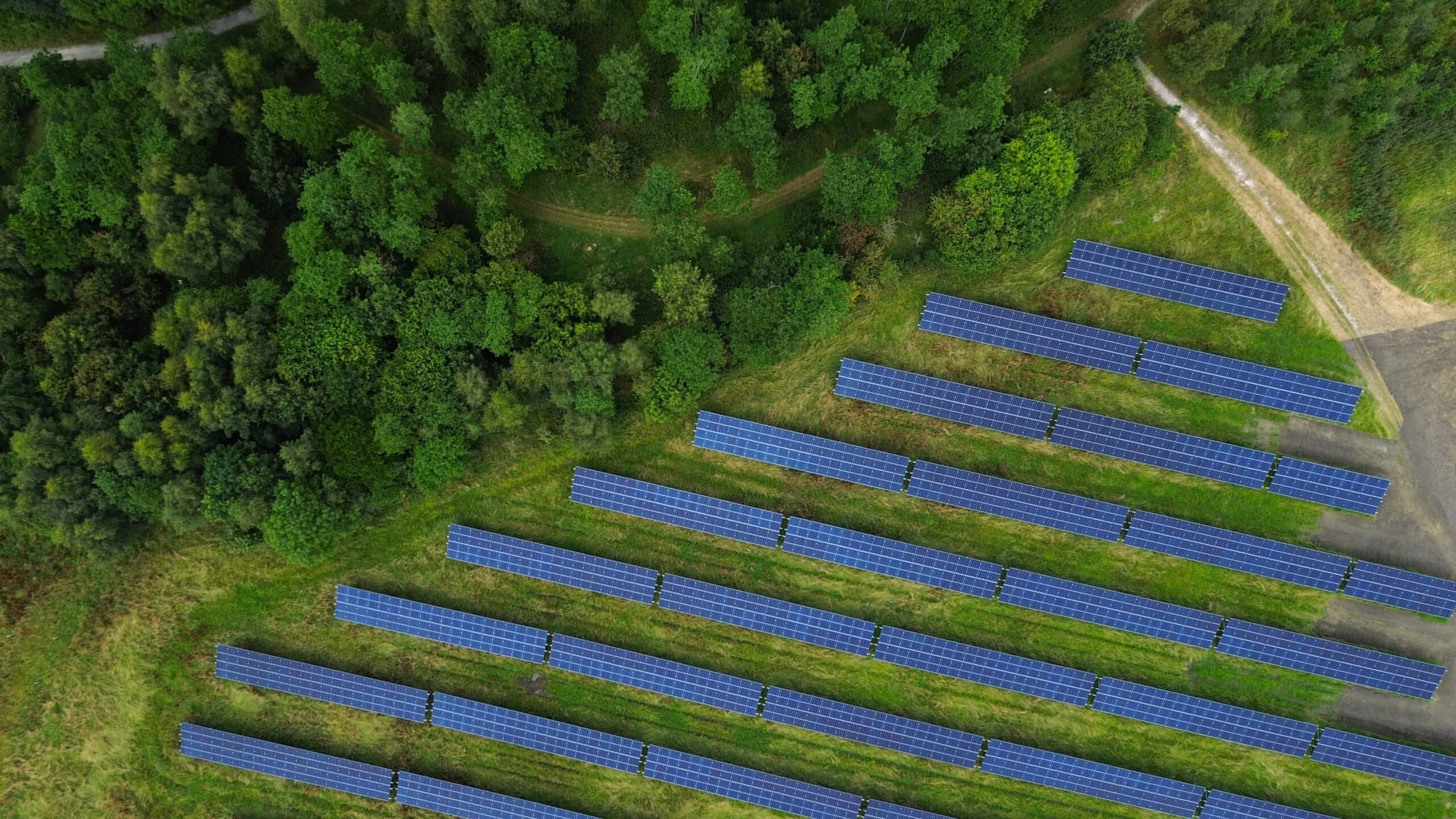
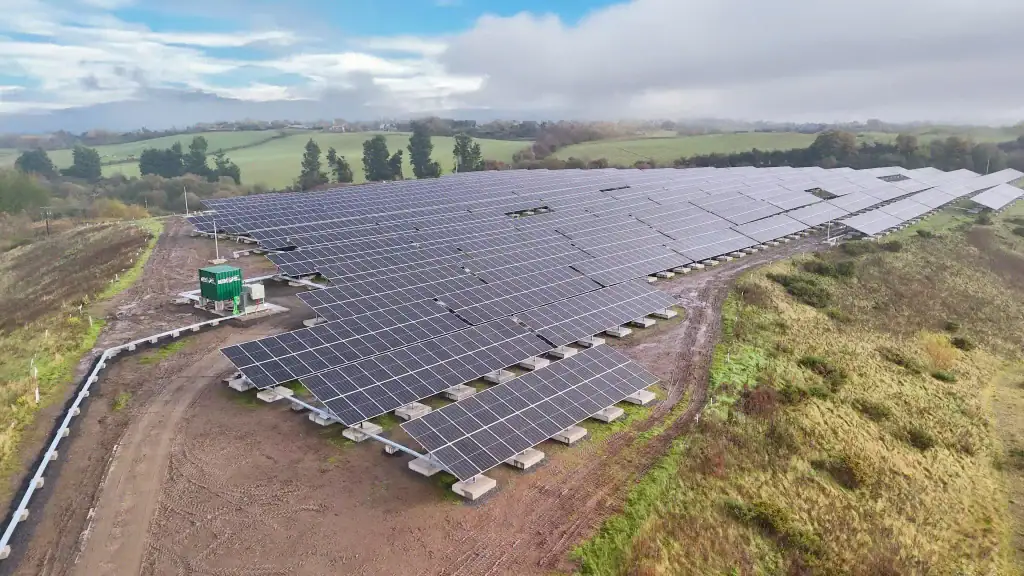
Piramal Pharma Solutions has announced a 4.3MWp ground-mounted solar installation at its integrated drug substance and drug product facility in Morpeth, Northumberland.
The project will comprise around 6,200 panels across 16 acres and is expected to generate approximately 3,950MWh of renewable electricity each year, equivalent to around 22% of the site’s annual electricity demand. The project is being delivered behind the meter through a power purchase agreement, with operations scheduled to begin in Q1 2027. Read the full Piramal Pharma Solutions announcement.
The significance isn’t simply the size of the solar installation.
It is what the project says about the changing role of energy within a major pharmaceutical manufacturing facility.
Piramal isn’t attempting to make the site electrically independent. Solar generation will form one part of the site’s wider energy system, reducing the amount of electricity that needs to be purchased from the grid while supporting its longer-term decarbonisation objectives. Read more about the project.
That distinction is important.
The question isn’t whether solar can replace the grid. It’s how much of a business’s electricity demand could be met through onsite generation — and what that could mean for its long-term energy strategy.
The answer will look different from one facility to the next. Electricity consumption, operating hours, available roof or land, grid connection, future expansion plans and capital requirements all influence the case for solar.
For some businesses, rooftop solar may provide a meaningful source of onsite generation. For others, a larger ground-mounted system could offer greater potential. Battery storage may also have a role where generation and demand don’t naturally align, while EV charging and wider electrification can create additional opportunities to use locally generated electricity.
The starting point, therefore, shouldn’t be the number of solar panels that can fit on a site. It should be understanding how that business uses electricity — and where onsite generation could fit into the picture.
The Morpeth project is significant, but it shouldn’t be interpreted as a template that every life sciences facility can simply replicate.
Every site has a different electricity profile, roof or land availability, grid connection, operating schedule and capital structure.
For some businesses, rooftop solar may provide a meaningful source of onsite generation.
For others, ground-mounted generation could offer greater capacity.
Battery storage may have a role where there is a mismatch between generation and demand.
EV charging and wider electrification can introduce new electrical loads.
And intelligent energy management can help businesses understand when and where electricity is actually being consumed.
The starting point therefore shouldn’t be the number of solar panels that can fit on a roof.
It should be the energy profile of the business.
The Government is already recognising that energy costs can influence the UK’s industrial competitiveness. Its Life Sciences Sector Plan includes measures intended to reduce electricity costs for eligible businesses from 2027, alongside wider action to improve the UK’s energy infrastructure.
But reducing the cost of electricity purchased from the grid is only one part of the equation.
Businesses can also look at how much electricity they need to purchase in the first place.
That is where onsite generation becomes increasingly relevant. By generating electricity at the point of use, businesses can potentially reduce their reliance on grid-supplied power while making greater use of their own available assets.
For life sciences companies planning expansion, investment or changes to their facilities, that raises a broader question: could energy generation become part of the infrastructure supporting future growth, rather than simply another operating cost?
The UK’s life sciences sector has a significant opportunity in front of it.
But growth requires infrastructure, and infrastructure requires energy.
As the sector moves towards more sophisticated manufacturing, more flexible facilities and greater levels of automation, energy strategy should become part of that conversation rather than an afterthought.
The question for individual businesses is therefore relatively straightforward:
What could your facility generate, what will it need, and what will that mean for the cost of growth?
For some sites, the answer may be solar. For others, it may be a broader energy strategy.
Either way, understanding the opportunity starts with understanding the building and its electricity demand.
That is where a commercial energy assessment can provide the starting point.
Activ8 Energies helps businesses assess and implement renewable energy solutions designed around their operational and energy requirements. To discuss the potential for onsite generation at your facility, contact the Activ8 Energies commercial team.
October 1, 2026
If you’re considering commercial solar panels in Lancashire, one of the first questions you’ll probably ask is:
Can my commercial roof actually support a solar installation?
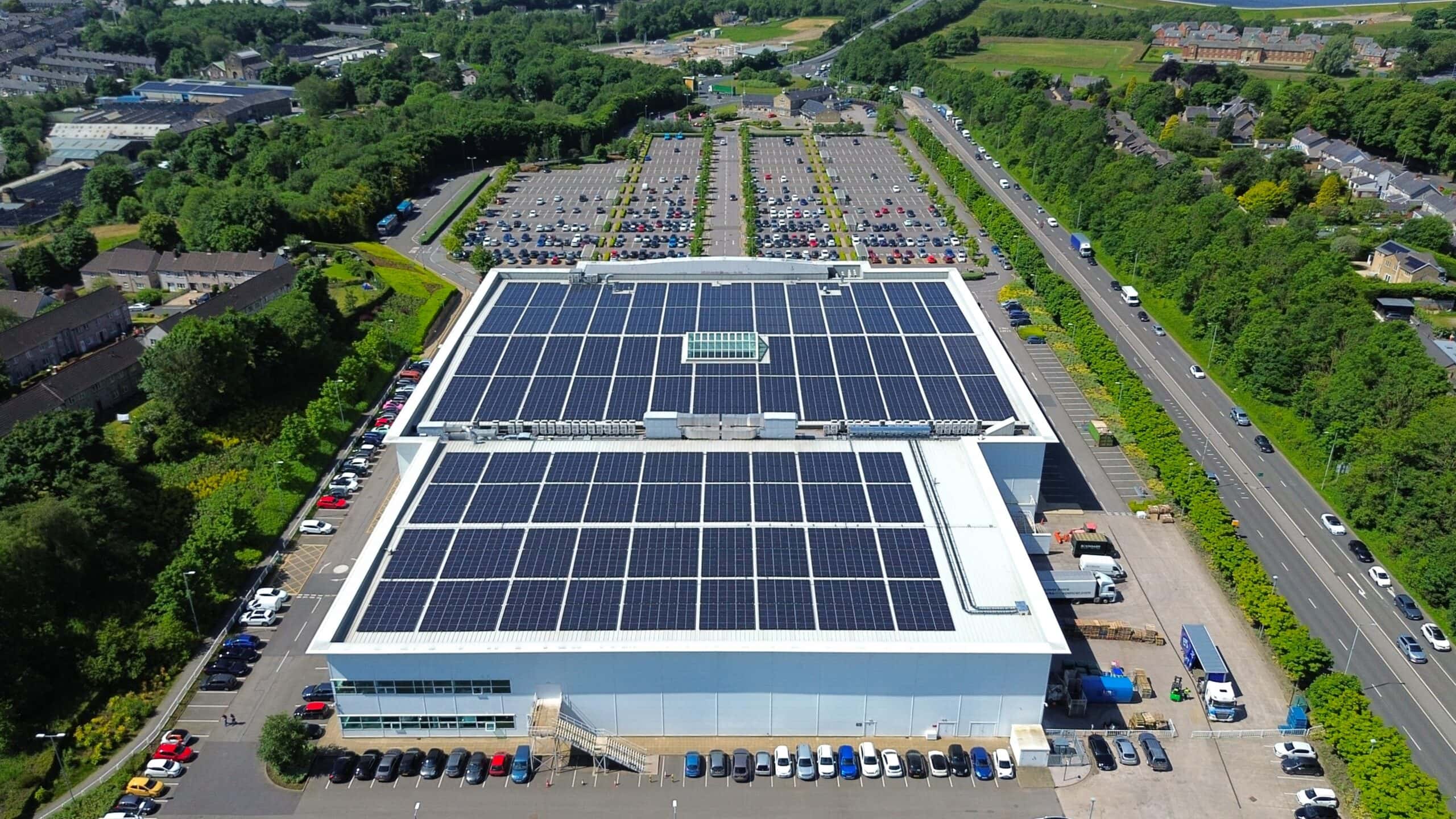
The good news is that many commercial buildings across Burnley, Lancashire, the North West and the wider UK are excellent candidates for solar. Warehouses, factories, offices, agricultural buildings, retail units and distribution centres often provide large, unobstructed roof space that can be used to generate clean, renewable electricity on-site.
At Activ8 Energies UK, formerly Low Carbon Energy and backed by SSE, we’ve delivered commercial solar projects for organisations ranging from manufacturing facilities and logistics companies to airports and national brands. Every project starts with one thing – understanding whether your building is suitable.
From industrial businesses in Blackburn and Preston to larger commercial sites across the North West, the right solar solution depends on much more than the size of your roof.
This guide explains what makes a commercial roof suitable for solar, what our engineers assess during a survey, the planning considerations involved, and what options are available if your roof isn’t suitable.
Your roof is the foundation of every commercial solar installation.
A properly designed commercial solar PV system can help businesses:
However, no two commercial roofs are the same. Age, construction, orientation and structural capacity all influence system design.
For businesses considering solar panels for their business, assessing the building properly before installation is essential.
One of the biggest misconceptions is that solar is only suitable for modern industrial buildings.
In reality, commercial solar panels can be installed on a huge variety of properties across Burnley, Lancashire and the wider North West.
These include:
Whether you’re looking for factory solar panels in Lancashire, warehouse solar panels, or office solar panels, the first step is always a professional feasibility assessment.
The suitability of the site will depend on factors including the roof structure, available space, electricity usage, existing electrical infrastructure and the building’s future requirements.
Every building is different, which is why Activ8 never adopts a one-size-fits-all approach.
Our team looks beyond simply measuring the available roof area. A commercial solar assessment considers the building itself, how it uses electricity and how a solar PV system can work alongside the business’s existing energy infrastructure.
Our engineers assess several important factors before recommending a system.
The first consideration is structural integrity.
Commercial solar panels are surprisingly lightweight, but the roof must safely support:
Where required, structural engineers will verify the roof’s load-bearing capacity before installation begins.
This assessment is particularly important for older commercial and industrial buildings, where the original roof design may not have anticipated the addition of a modern solar PV system.
If a roof is approaching the end of its lifespan, replacing or refurbishing it before installing solar often makes financial sense.
A solar PV system is designed to operate for decades, so installing onto a roof requiring replacement in a few years could create unnecessary costs later.
Assessing the roof condition at the beginning of the project helps businesses make a more informed decision about the timing of both roof works and solar installation.
South-facing roofs typically generate the highest output.
However, east-west roof layouts have become increasingly popular for commercial solar energy because they can spread electricity generation throughout the working day.
Even north-facing roofs may still contribute depending on roof pitch, site conditions and the overall system design.
Commercial solar panels can be installed on:
Each roof type uses different fixing systems designed to maximise performance while protecting the building fabric.
Nearby buildings, trees, plant equipment or rooftop structures may create shading.
Modern design software identifies these obstacles early, allowing engineers to optimise panel placement and maximise energy generation.
For larger commercial sites, this assessment can make a significant difference to the final system design and expected generation.
Larger roofs generally allow for larger systems.
This is one reason why solar panels for warehouses, industrial units and manufacturing businesses continue to provide significant opportunities for on-site energy generation.
However, the biggest possible system isn’t necessarily the right system.
A properly designed commercial solar installation considers the amount of electricity a business uses, when that electricity is consumed and how much of the solar generation can be used on-site.
Many businesses assume pitched roofs are always better.
In reality, both offer advantages.
Flat roofs are extremely common across industrial estates and commercial developments throughout Lancashire.
Advantages include:
Pitched roofs often provide:
Both roof types can support high-performing commercial solar panel installations when designed correctly.
Planning requirements depend on the type and location of your commercial solar project.
For many commercial rooftop solar PV installations, permitted development rights may apply, meaning a full planning application is not normally required. However, depending on the project and site, a 56-day prior notification or prior approval process may be required with the Local Planning Authority (LPA).
This is different from a full planning application and allows the LPA to consider the proposed works against the relevant planning requirements.
Ground-mounted solar and solar carports or canopies are more commonly subject to full planning applications.
Activ8 has extensive experience managing planning requirements as part of commercial solar projects, helping businesses understand what is required before installation begins.
Not every roof is ideal.
Fortunately, that doesn’t necessarily rule out solar.
Alternative options include:
For some businesses, a ground-mounted system or solar carport may provide an alternative where roof space is limited or unsuitable.
Activ8 designs bespoke systems around each site’s specific requirements rather than forcing a standard solution.
Absolutely.
Many commercial properties across Lancashire and the North West were constructed decades ago.
Provided the structure remains sound, many older buildings can be excellent candidates for commercial roof solar panels.
A professional survey quickly determines suitability.
The age of the building alone doesn’t determine whether solar is possible. Roof construction, condition, structural capacity, electrical infrastructure and the site’s energy requirements all need to be considered.
When installed correctly by experienced commercial solar installers in Lancashire, the answer is no.
Professional installation systems are specifically engineered to protect the roof while maintaining waterproofing and structural integrity.
Poor installation—not solar panels themselves—is what causes issues.
This is why choosing an experienced commercial solar installation company in Lancashire is so important.
A properly planned project should consider the roof condition, fixing method, drainage, access and maintenance requirements before installation begins.
Increasingly, businesses are combining commercial solar panels with commercial battery storage.
Battery storage allows organisations to:
For businesses operating long hours, business battery storage can significantly improve the value of a commercial solar system by allowing more of the electricity generated during the day to be used when it is needed.
Battery storage can also provide an additional layer of energy resilience.
For energy-intensive businesses, unexpected interruptions to electricity supplies can cause significant disruption to manufacturing, processing and other critical operations. On-site energy generation combined with battery storage can give businesses greater flexibility in how they manage their energy and respond to changing demand.
Depending on the system and market arrangements, battery storage can also create opportunities to participate in grid flexibility and capacity markets, potentially providing an additional revenue stream alongside the savings generated by solar and battery storage.
For businesses where energy security and operational continuity are critical, solar and battery storage can therefore form part of a wider strategy for managing both energy costs and resilience.
Large industrial roofs remain some of the best locations for solar generation.
Businesses operating:
often consume large amounts of electricity during daylight hours—exactly when solar panels generate the most power.
This can create an excellent opportunity to use more renewable electricity directly on-site while reducing reliance on electricity purchased from the grid.
For businesses with significant daytime electricity demand, the combination of a large roof and consistent energy consumption can make commercial solar particularly attractive.
Formerly Low Carbon Energy, Activ8 Energies UK has become one of the UK’s leading providers of commercial solar panels, delivering bespoke renewable energy solutions backed by more than two decades of industry expertise.
Operating from Burnley and serving businesses across Lancashire, North West England and the wider UK, our experienced team manages every stage of your project—from feasibility studies and system design through to installation, monitoring, maintenance and ongoing support.
Our commercial services include:
Whether you’re investing through CapEx or exploring fully funded options, we deliver renewable energy systems designed around your operational needs—not a standard package.
If you’re considering commercial solar panels in Lancashire, Burnley or anywhere across the North West and wider UK, the first step is a professional site assessment.
At Activ8 Energies, we evaluate your roof structure, electricity usage, available space, existing infrastructure and long-term business goals before designing a bespoke solar solution that delivers measurable savings and long-term value.
Whether you’re looking for business solar panels, commercial solar PV, factory solar panels, warehouse solar panels or complete commercial renewable energy solutions, our team is here to help.
From businesses across Lancashire and the North West to larger commercial projects elsewhere in the UK, we can assess your site and identify the most appropriate renewable energy solution for your organisation.
Book a free commercial solar assessment today and discover how your roof could become one of your business’s most valuable assets.
September 16, 2026
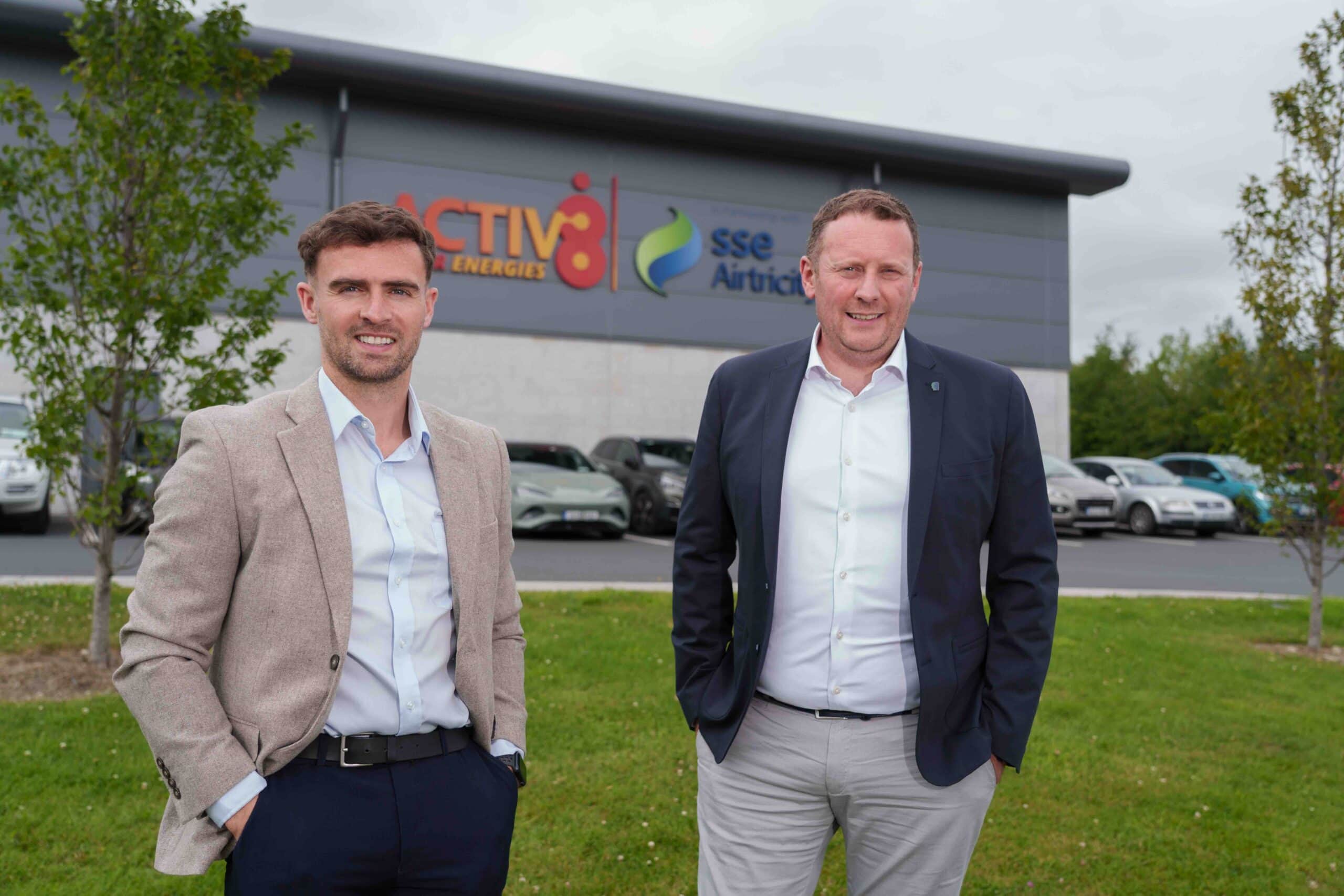
The rebrand follows Activ8 Energies’ acquisition of the business in 2025 and brings the UK operation under the Activ8 Energies identity, creating a clearer proposition for customers and reflecting the scale, expertise and capability of the wider organisation. Activ8 Energies is an SSE company, operating under the SSE Energy Solutions brand.
For more than 15 years, Low Carbon Energy has built a strong reputation as one of the UK’s leading commercial renewable energy specialists, delivering projects for organisations including Boeing, BMW, Porsche, Co-op, Drax Power, Tata Steel, Wickes, United Utilities and the NHS. Most recently, the business completed the landmark 3MW solar installation at Liverpool John Lennon Airport, capable of generating up to 25% of the airport’s annual electricity demand through on-site renewable generation.
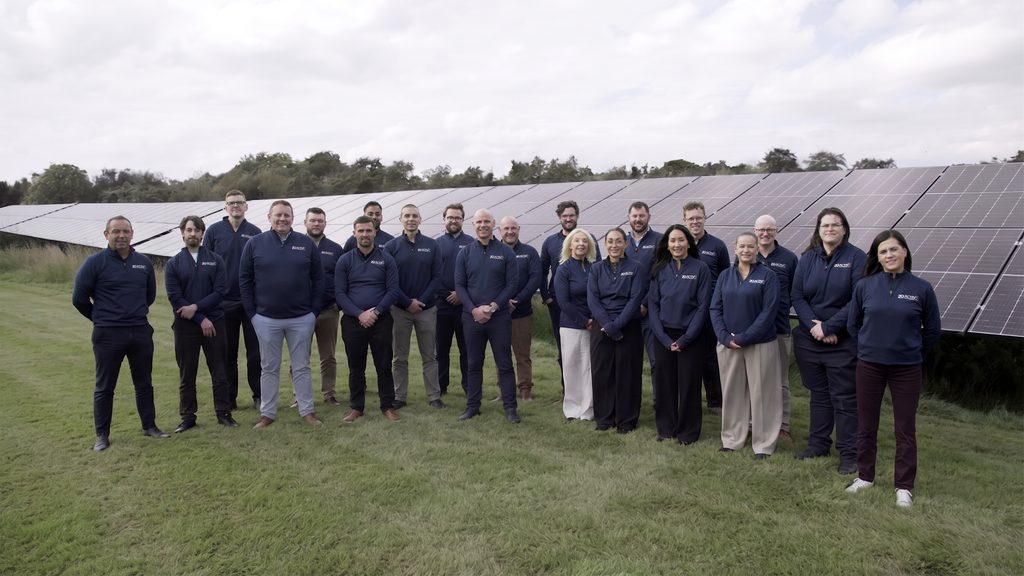
The move builds on that established UK track record, bringing it together with Activ8 Energies’ wider operations across Ireland, the UK and Europe. It combines the experience and relationships of the existing UK team with Activ8 Energies’ growing technical capability, resources and experience delivering renewable energy projects at scale.
For existing Low Carbon Energy customers, the rebrand is exactly that, a new name. The team, the relationships and the commitment to delivering high-quality renewable energy solutions remain unchanged. Customers will continue to work with the same people they know and trust, with no impact on existing projects, contracts or day-to-day support.
For organisations considering a renewable energy partner, Activ8 Energies brings together decades of specialist renewable energy expertise, an established track record of delivery and the capability to support increasingly ambitious energy projects across the UK.

“The business has earned an outstanding reputation in the UK by consistently delivering high-quality renewable energy projects and building long-term relationships with its customers.
Becoming Activ8 Energies is a natural progression. It creates a single identity across our operations while better reflecting the scale of the organisation and the strength that sits behind our business today.
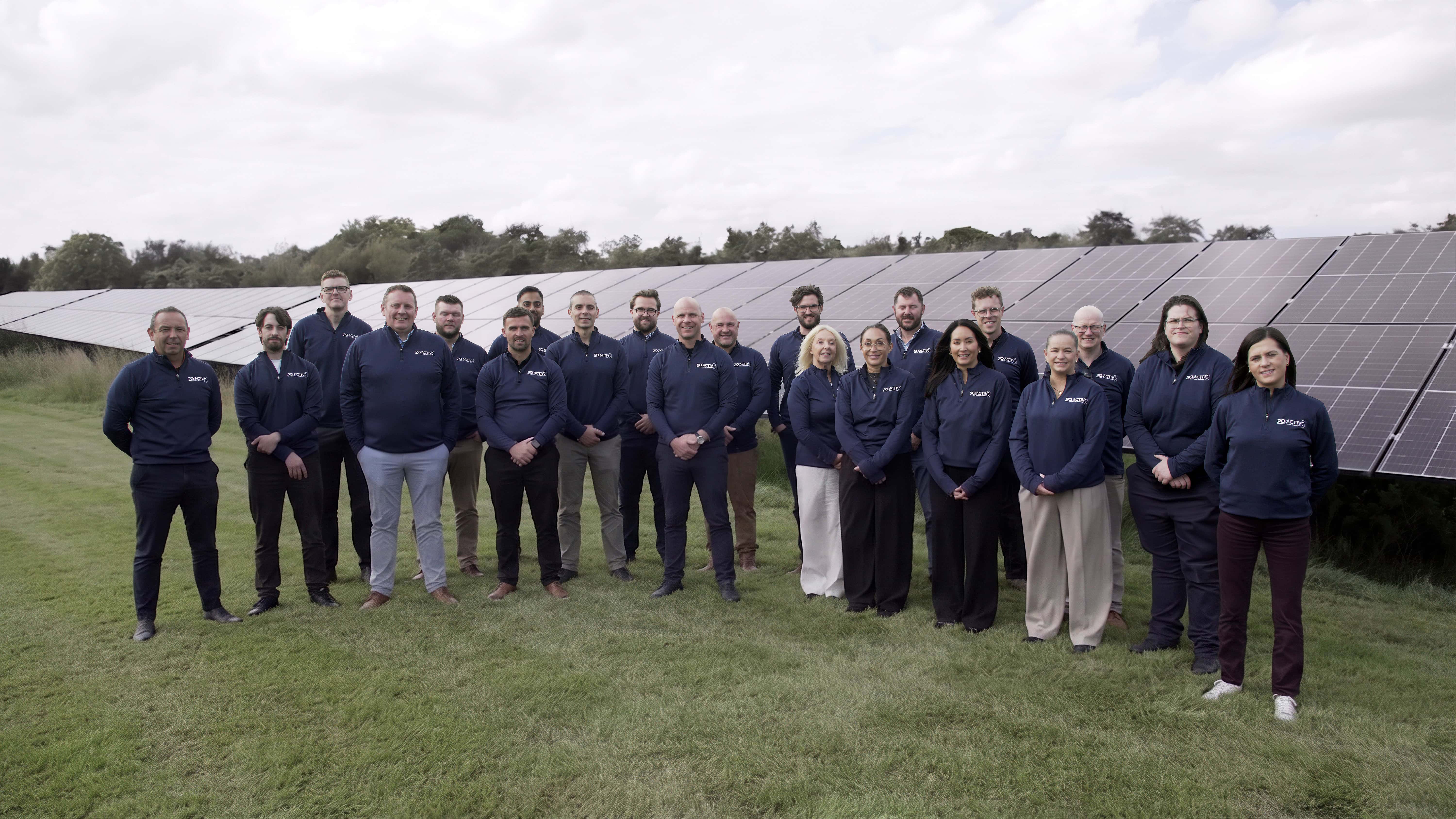
Our strategic relationship with SSE has played a pivotal role in the growth of Activ8 Energies over recent years. Today, as we celebrate 20 years in business, we’re able to combine specialist renewable energy expertise with the capability, investment and long-term confidence that comes from being part of one of the UK’s leading energy groups.”
“This is an exciting milestone for our business and gives us a much stronger platform for growth in the UK.
As Activ8 Energies, we can combine the agility and specialist expertise of our team with the wider capability of Activ8 and the strength and backing of SSE. That combination puts us in a very strong position to meet the growing ambitions of organisations looking to invest in renewable energy.”
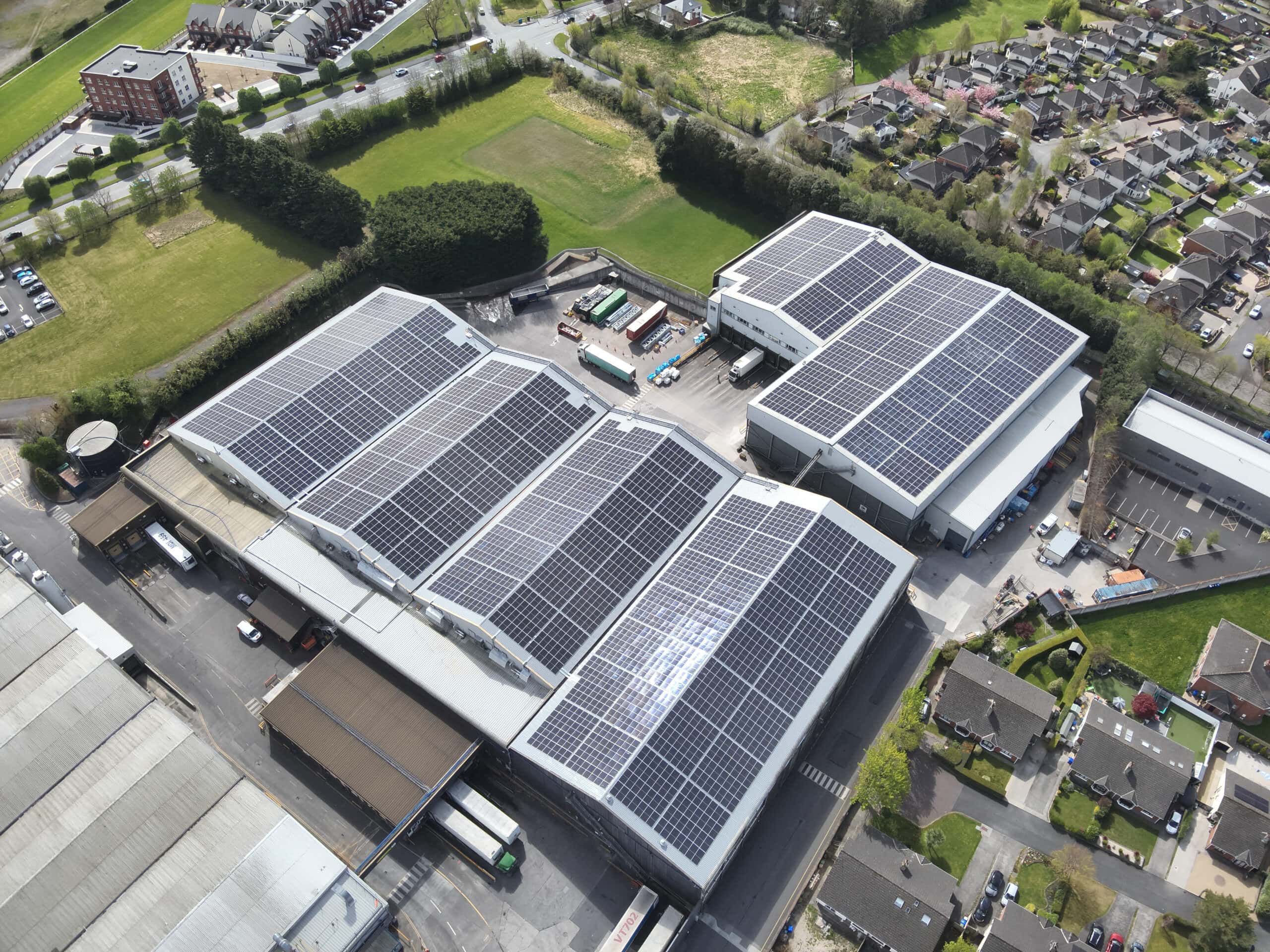
August 25, 2026
For many UK businesses, rising electricity costs remain one of the most unpredictable operational expenses.
At the same time, there is increasing pressure to reduce carbon emissions and improve sustainability performance. Solar power is often seen as a logical solution – but upfront installation costs can still be a barrier.
In the UK, this is why Power Purchase Agreements (PPAs) are becoming an increasingly popular way for businesses to adopt solar without upfront cost.
Through a PPA, businesses can install solar panels on their premises without the need for upfront capital, while benefiting from lower and more predictable electricity costs over the long term.
A Power Purchase Agreement is a long-term contract between a business and an energy provider.
Under a typical solar PPA, a third party installs and owns the system, the business uses the electricity generated on-site, and pays for it at an agreed rate – typically lower than standard grid prices.
The key difference is that the business does not need to fund the installation itself. Instead, it purchases the electricity generated by the system over time.
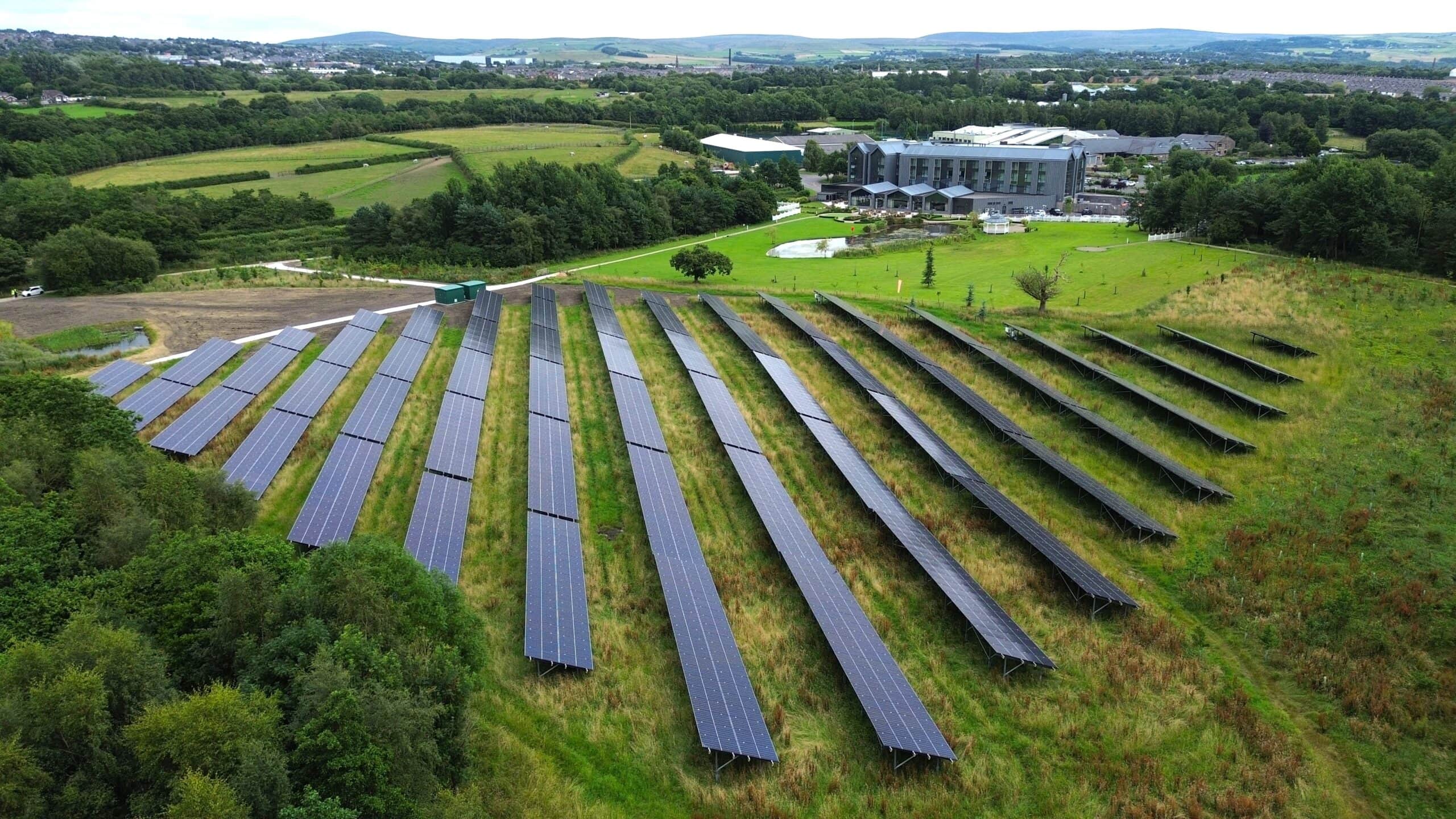
In a commercial PPA arrangement:
Because most commercial buildings have strong daytime electricity demand, a high percentage of solar generation can typically be used on-site.
This is where PPAs tend to deliver the most value.
Power Purchase Agreements are growing in popularity across the UK for several reasons.
The solar system is funded by the provider, removing the need for large initial spend.
PPA rates are typically set below standard commercial electricity tariffs.
Electricity is supplied at a fixed or predictable rate, helping businesses manage future cost exposure.
Solar generation supports sustainability targets and ESG reporting.
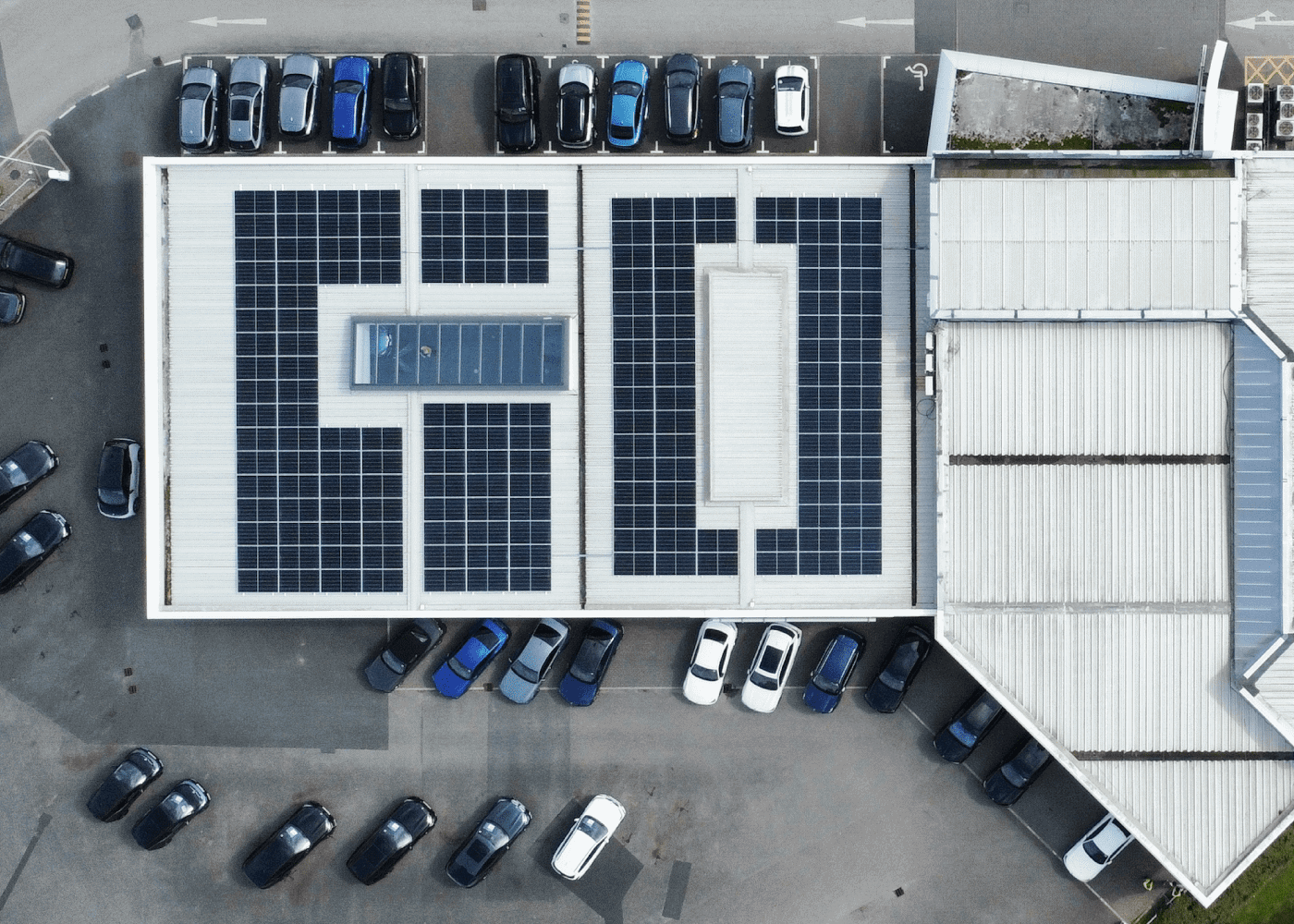
Power Purchase Agreements tend to work best for businesses with consistent daytime electricity demand, as this allows a high proportion of the solar energy generated on-site to be used directly. Buildings with suitable roof space or adjacent land are particularly well suited, especially where the business expects to remain on-site over the long term and has relatively stable energy usage.
In practice, this often includes manufacturing facilities, warehouses and logistics centres, retail parks and office buildings, where energy demand aligns closely with daylight hours and available installation space.
Power Purchase Agreements are not limited to private businesses. In the UK, they can also be used by public sector bodies and non-profit organisations, including hospitals, schools, universities and charities.
In many cases, these organisations are particularly well suited to solar installations. Buildings such as hospitals and large public facilities tend to have consistent, often round-the-clock electricity demand, along with significant roof space or campus-style layouts. This allows a high proportion of the electricity generated on-site to be used directly.
For non-profit organisations, the structure of a PPA can also be appealing from a financial perspective. Because there is no upfront capital investment required, organisations can reduce electricity costs and improve sustainability performance without diverting funding from core services.
As energy costs and carbon reduction targets continue to be a focus across both the private and public sectors, PPAs are becoming an increasingly practical option for a wide range of organisations.
Some businesses choose to purchase solar systems directly, while others prefer a PPA model.
Buying solar outright involves a higher upfront cost but provides full ownership and maximum long-term savings.
A PPA model requires no upfront investment, offers immediate electricity savings, and provides more predictable pricing with lower financial risk.
The right approach depends on a business’s capital priorities and financial strategy.
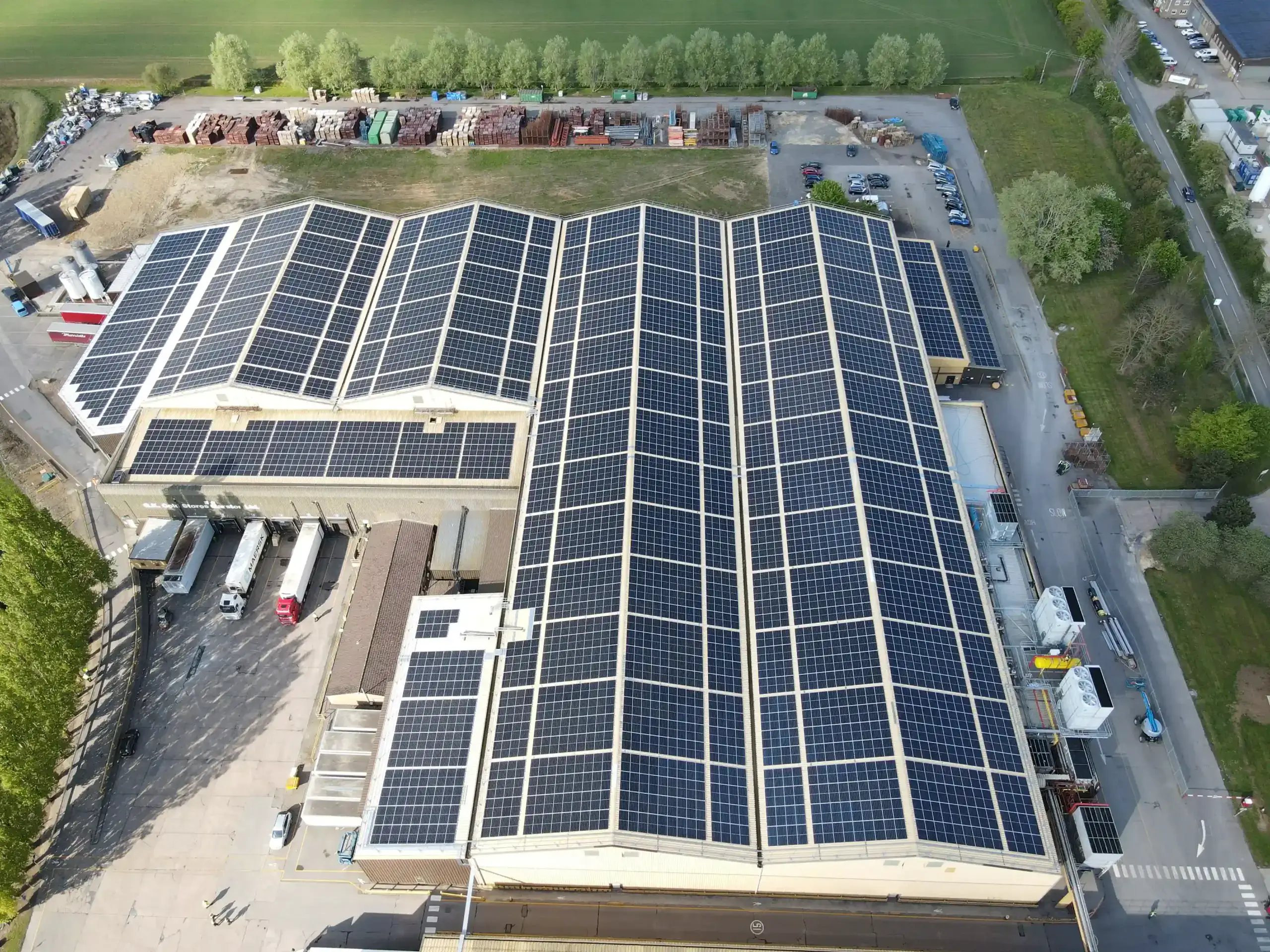
Activ8 Energies, in partnership with SSE Airtricity, delivers commercial solar solutions for businesses across the UK and Ireland.
Through Power Purchase Agreements with Activ8 Energies and SSE Airtricity, businesses can access fully funded solar installations, long-term electricity supply agreements, site-specific system design and ongoing performance monitoring and maintenance.
This allows organisations to reduce electricity costs and carbon emissions without diverting capital from core operations.
If you’re considering solar for your business, the first step is understanding how your site uses electricity and whether it is suitable for a PPA structure.
Activ8 Energies works with UK businesses and organisations to assess energy demand, roof space and operational requirements to design solar solutions that deliver measurable long-term value.
April 8, 2026
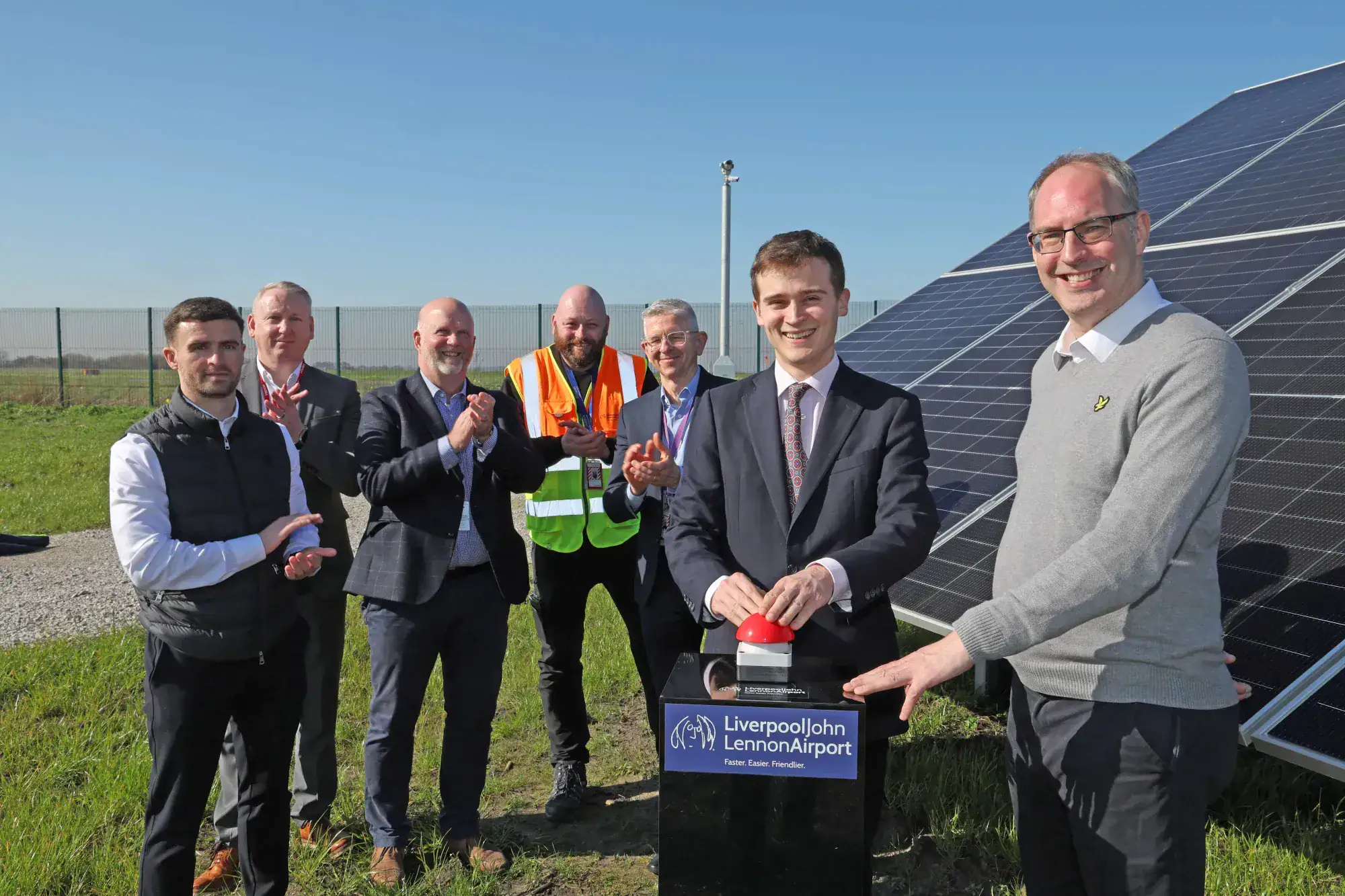
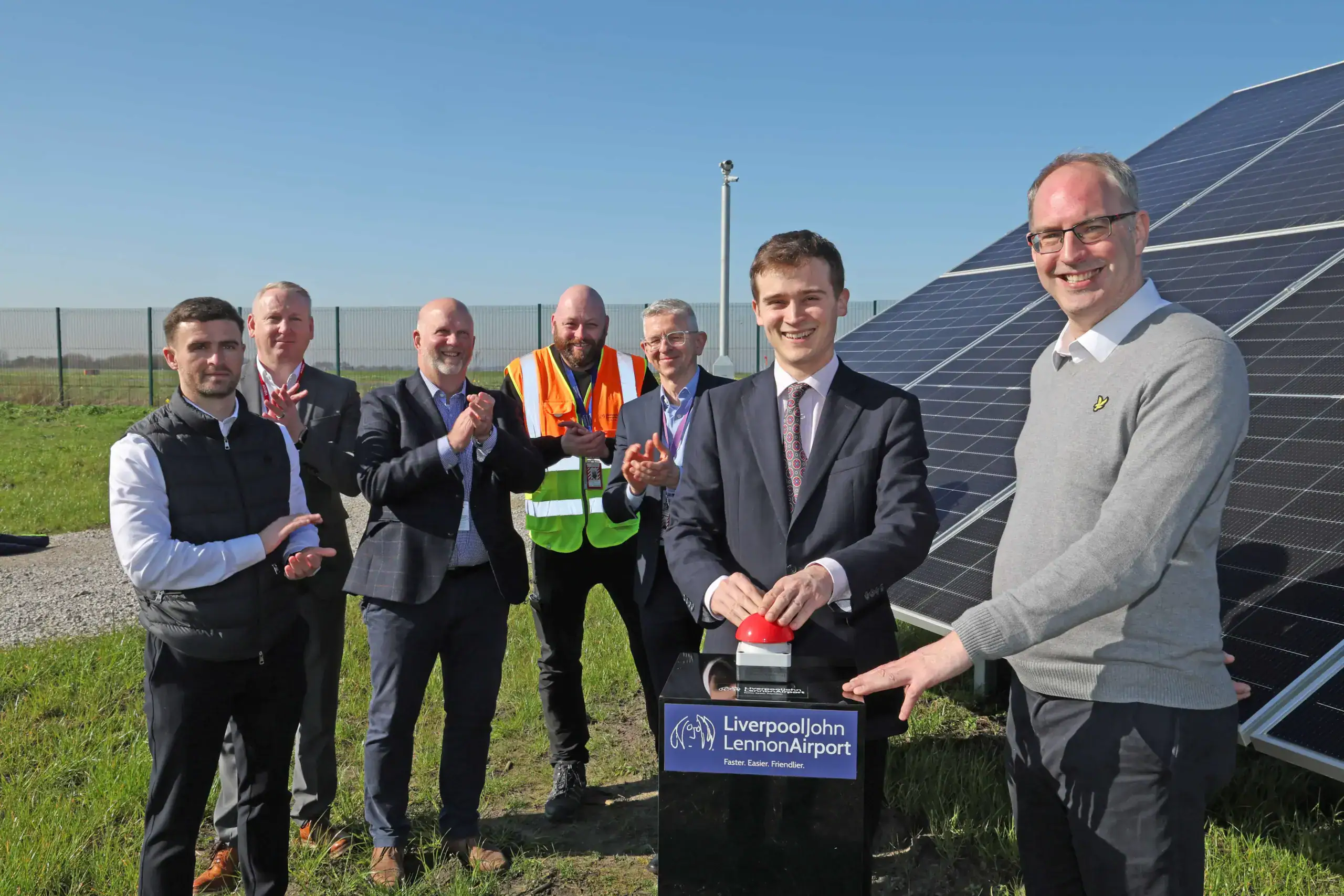
The Minister for Aviation, Maritime and Decarbonisation, Keir Mather MP, today officially opened Liverpool John Lennon Airport’s (LJLA) new £3m solar farm during a visit to the airport.
The airport’s investment in the solar farm is a key part of its Decarbonisation Plan and a zero carbon future for the airport operation by 2040.
Solar panel experts Low Carbon Energy (Activ8 Energies UK) in partnership with SSE, designed and installed the new solar farm, which is located within the airport perimeter fence on land to the east of the runway. It is capable of generating up to 3 MW (megawatts) of electricity, powering up to 25% of the airport’s current overall electricity demand.
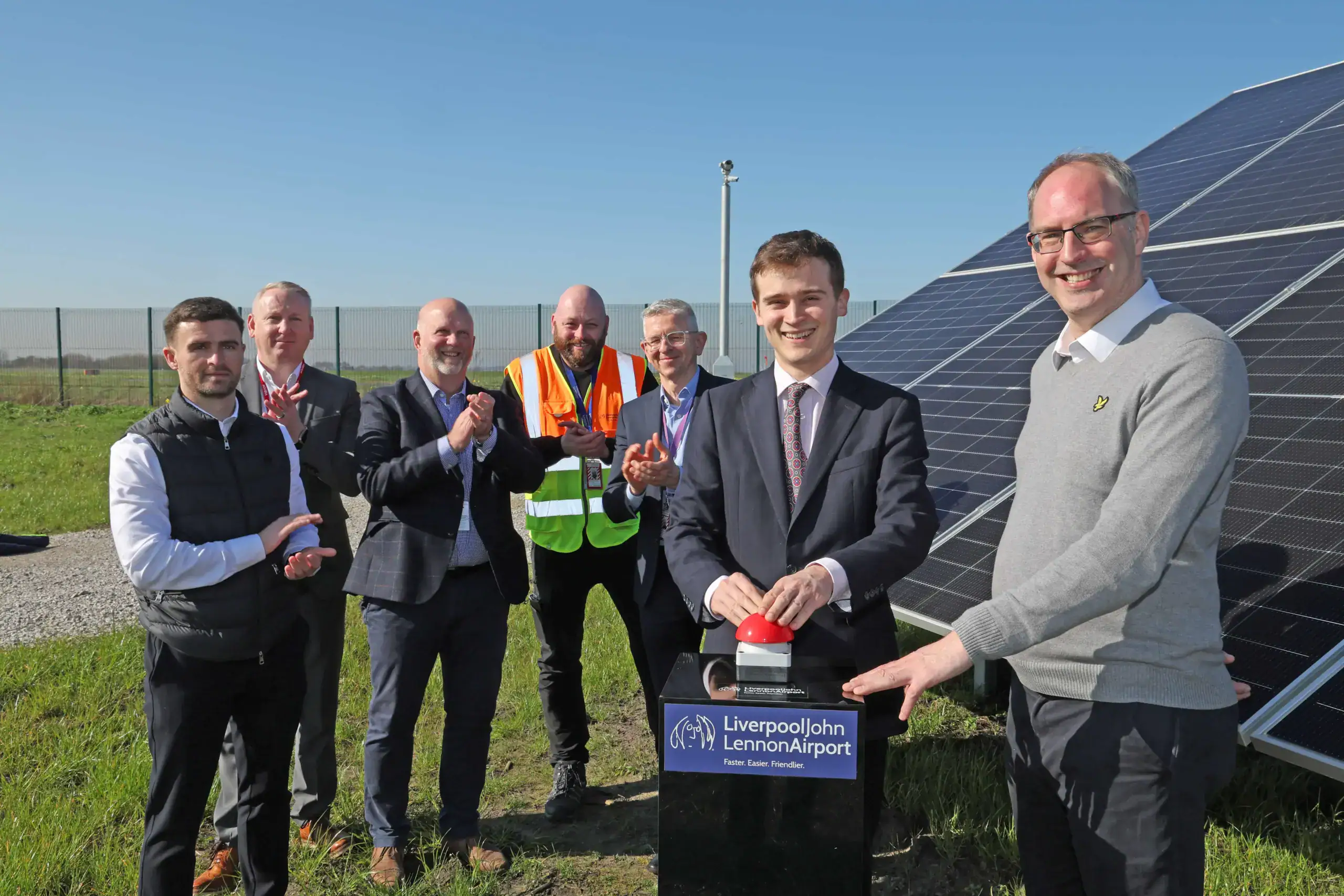
(L to R): Benedict Ennis (MD Activ8 Energies UK), Wayne Gasson (DfT), Andrew Dutton, Paul Sanderson, Robin Tudor (LJLA), Keir Mather MP, John Irving (CEO LJLA)
The Minister opened the solar farm as part of a wider visit to also find out about the airport’s recovery since the pandemic, with 2025 being the airport’s busiest year ever.
John Irving, CEO Liverpool John Lennon Airport, commented, “We really appreciate The Minister taking the time to meet with us today to see at first hand our recent progress and our commitment to minimising energy use and how we are working to reduce our CO2 emissions. Our new solar farm is the next part of our journey towards a zero carbon future by 2040.”
Ciaran Marron, CEO of Activ8 Energies, added, “We’re proud to have partnered with SSE Airtricity and Liverpool John Lennon Airport to deliver a system that will generate clean electricity on site for decades to come. This project also marks an important step in Activ8’s continued expansion in the UK, bringing our proven delivery capability to large-scale infrastructure projects.”
March 19, 2026
Energy costs, carbon reporting requirements, and sustainability expectations are changing rapidly across the UK. As a result, more organisations are exploring solar for businesses as a long-term solution for reducing costs and improving energy resilience.
Commercial solar power is no longer a niche technology or a “nice-to-have” sustainability initiative. For many companies, installing solar panels is now a practical investment that delivers measurable financial and environmental returns.
From lowering electricity bills to strengthening corporate social responsibility (CSR), solar can support both operational efficiency and sustainability targets. In this guide, we explore seven key advantages of solar for businesses in 2026 and why adoption continues to accelerate across commercial and industrial sectors.
In this article:
One of the most compelling reasons businesses invest in solar power is the ability to significantly reduce electricity bills.
A commercial solar system generates electricity on-site, allowing organisations to use clean power instead of purchasing all their energy from the grid. For energy-intensive sites such as warehouses, factories, and office buildings, this can lead to substantial cost savings.
Because solar panels generate electricity during daylight hours, they often align well with business operating times. This means a large portion of the electricity produced can be used directly on-site, reducing the amount of energy purchased from suppliers.
Over time, these savings can become a major operational advantage, particularly as grid electricity prices continue to fluctuate.
Energy security has become a growing concern for UK businesses. Price volatility and external supply pressures have highlighted the risks of relying entirely on the national grid.
Installing solar panels allows organisations to generate a portion of their own electricity, reducing dependency on the national grid and improving operational resilience.
While solar will not completely replace grid electricity for most commercial sites, it can significantly offset demand during peak daytime periods. This hybrid approach allows businesses to maintain grid access while gaining greater control over their energy supply.
For organisations operating large buildings or industrial facilities, this increased energy independence can be a valuable benefit.
For businesses working toward net-zero targets, solar energy is one of the most effective ways to reduce operational emissions.
Grid electricity still carries a carbon footprint because it is partly generated using fossil fuels. By producing renewable electricity on-site, businesses can significantly cut greenhouse gas emissions associated with their energy use.
This is particularly important for organisations measuring their scope 2 emissions, which include emissions linked to purchased electricity.
Switching to solar power allows companies to lower their carbon footprint while demonstrating measurable climate action, something increasingly important for investors, partners and customers.
Sustainability has become a core element of modern business strategy. Customers, investors and employees increasingly expect organisations to operate responsibly and reduce their environmental impact.
Installing solar panels supports corporate social responsibility (CSR) initiatives and demonstrates a clear commitment to renewable energy.
For many businesses, visible renewable energy installations can strengthen brand reputation and reinforce their position as an eco conscious organisation.
Solar projects can also contribute to broader sustainability goals such as:
These benefits can be particularly valuable for organisations bidding for contracts or working with partners who prioritise low-carbon operations.
Electricity prices have experienced significant volatility in recent years, making long-term budgeting more difficult for businesses. Solar offers a level of energy price stability because once the system is installed, the electricity generated is effectively free.
While businesses will still purchase some grid electricity, solar allows them to lock in a portion of their energy supply at a predictable cost. This stability can make a major difference for organisations with large energy demands, where fluctuating electricity prices can quickly impact operational expenses.
Over the lifetime of a solar system – often 25 years or more – these savings can provide substantial financial value.
When evaluating solar for businesses, return on investment (ROI) is often a key consideration.
Commercial solar systems typically deliver value through several combined benefits:
For many commercial and industrial sites, solar installations achieve payback within several years, after which the system continues generating electricity and savings for decades.
Modern solar panels are also highly durable and require relatively little maintenance, making them a reliable long-term infrastructure investment.
If you’re exploring whether solar could work for your organisation, speaking with experienced commercial solar specialists is the best place to start. The right system design will ensure your solar installation delivers maximum performance, long-term savings, and meaningful carbon reduction.
For expert advice on commercial and industrial solar installations, contact Low Carbon Energy on 01282 421 489 to discuss your project with the team.
March 5, 2026
According to a new whitepaper published by renowned global financial solutions firm DLL, the key to the future success of British Small to Medium sized Enterprises hinges on their attitudes to energy efficiency. Emphasising this efficiency, alongside on-site generation and effective storage, DLL’s experts stressed that an ‘energy aware management culture’ was critical to the long-term sustainability of the market.
So if you’re the owner or employee of an SME, what do these findings mean for you, exactly? In this article, we discuss:
February 24, 2026
Recent reports show that the ozone layer above Antarctica is beginning to shrink in size – after being a major concern since the 1980s. In fact, US and UK scientists have revealed that the ozone hole has shrunk by around 4m sq km since 2000. Furthermore, the healing process is set to continue with the ozone potentially healed by 2060.
In this article:
February 24, 2026
Many retail stores are now showing how their operations can be powered by solar power. The likes of Apple, H&M, Costa Coffee, and Ikea have all proven that solar-powered stores and warehouses are possible – and at Low Carbon Energy, we’ve made a solar-powered future possible for some smaller retail groups too.
In this article:
February 24, 2026
Businesses, councils, schools and more are all reaping the benefits of renewable energy solutions.A well-designed commercial solar PV system allows organisations to:
In many cases, solar electricity is cheaper than purchasing from the grid over the system’s lifetime. With electricity prices remaining volatile, solar provides cost certainty for 25 years or more. In this article, we explore:
February 11, 2026
The International Energy Agency has now released its World Energy Outlook for 2020 onwards. It’s a highly comprehensive document that spans 464 pages, which cover a number of predictions and observations about the global energy sector’s current trajectory and its likely future. Notably, the IEA officially states solar to be the cheapest electricity in history, having become cheaper than coal and gas in most major countries.
It goes some way to reinforcing why commercial solar has become so popular for businesses right here in the UK. Not only does it provide significant lifetime cost savings for organisations, but also helps them reach their target of achieving Net Zero, helping them fulfil their environmental responsibilities while maintaining their appeal to an ever more climate-conscious public. The IEA’s full World Energy Outlook is available to buy on its website should you choose to, but we’ll save you a bit of time by recapping its key points about solar below.
In this article:
This year’s World Energy Outlook has been influenced by some quite dramatic recent developments on the global stage, not least of which is the ‘extraordinarily turbulent’ impact of Covid-19, and the uncertain future of global energy use over the next 20 years. Renewables continue to see sustained growth within the world’s energy markets, as the global reliance of fossil fuels continues to decline.
The IEA posits that there are four possible ‘pathways’ to 2040, all of which maintain this steady growth of renewables. Solar energy in particular has demonstrated exceptional growth in the past few years, and the IEA’s ‘main’ scenario involves 43% more solar output by 2040 than it first expected in 2018. It’s a significant jump, and it’s partially to do with the fact that solar is now some 20% to 50% cheaper than the IEA initially estimated.
What’s more, it now predicts that these steadily dropping costs and exponential growth of solar means that there will be record-breaking additions of new solar capacity every year from 2020 onwards.
According to the IEA, all this distinguishes solar as the ‘new king’ of the flourishing renewables market, which is on track to meet the majority of the world’s power demands.
The rapid demand for renewables is tied to a ‘structural decline’ for fossil fuels such as coal, which is in part due to the increasing ambition of global climate policy. There is some encouraging news that global C02 emissions have therefore effectively peaked, but the IEA warns that this is far from the “immediate peak and decline” that’s required to stabilise the environment.
In other words, it’s no time for the world to rest on its laurels. Without even more ambitious climate policies from world leaders, there could be a rise in demand for gas by as much as 30% by 2040.
One of the key takeaways from the report is that as individuals, businesses and nations, we should all be aiming to reach Net Zero. It might not always be an easy target, but it’s perfectly achievable, and only if we keep up the pressure. The IEA is quick to point out that it will require what it called “unprecedented” efforts from all sectors, not just the energy industry.
When asking what is the cheapest form of energy, the answer increasingly points to utility-scale solar in regions with strong sunlight and supportive policy frameworks.
In many markets, the cheapest form of electricity is now solar PV, especially when new capacity is compared to new coal or gas plants. In fact, in multiple scenarios assessed by the IEA, solar is the cheapest energy source available for new generation capacity.
This shift has happened faster than many analysts predicted just a decade ago.
The World Energy Outlook provides long-term projections for global energy systems. In recent editions, the solar energy outlook has shown consistent growth across all credible transition pathways.
Solar now plays a central role in decarbonisation scenarios. Deployment is accelerating year on year, supported by falling module costs, improved financing models, and corporate net zero commitments.
The outlook suggests that solar will continue to be one of the cheapest forms of energy globally, with further cost reductions expected as technology and scale improve.
If you’re looking to achieve the Net Zero target for your own business, you’re in exactly the right place. Here at Low Carbon Energy, we have over 30 years of experience in helping businesses to transform their energy supply. Each of our installations is bespoke, and we tailor your solution on your specific energy profile, helping us to maximise carbon reductions and save you up to thousands of pounds in energy bills. Feel free to look at our case studies for just a few examples of businesses which have reaped huge rewards from solar, such as Computacenter and Haven Power. To find out how we can help you, feel free to give us a call today on 01282 421 489!
In many regions, utility-scale solar PV is now considered the cheapest form of energy for new electricity generation, according to the International Energy Agency.
Not everywhere. Costs vary by region, sunlight availability, financing conditions, and policy frameworks. However, in a growing number of markets, solar is the cheapest form of electricity for new projects.
For many commercial users, on-site solar can produce electricity at a lower long-term cost than purchasing from the grid, especially during peak daytime demand.
Solar is widely recognised as the cheapest form of renewable energy in many markets, particularly for new installations.
IEA stands for International Energy Agency, an independent organisation that provides data and analysis on global energy markets.
February 11, 2026
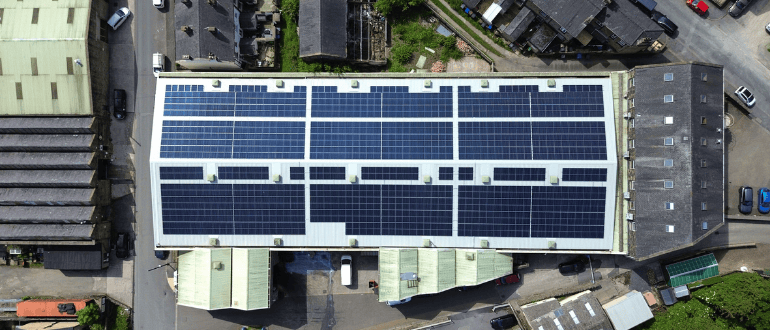
If you’re responsible for managing energy costs in a warehouse, factory, office block or retail unit, you’ve likely asked the question: are solar panels for commercial building worth it?
With energy prices fluctuating, carbon reporting requirements increasing, and pressure mounting to operate more sustainably, many UK businesses are now exploring solar power for commercial buildings as a long-term solution.
In this guide, we break down the financial, operational and environmental case for commercial solar systems, so you can make an informed, evidence-based decision.
In this article:
Commercial buildings are often ideal for solar installation. They typically have:
Unlike residential systems, commercial solar systems are designed to offset large, consistent loads, which makes the financial model very different (and often more attractive).
When a business installs a solar panel system, it generates electricity on-site. This reduces reliance on grid energy and shields the company from volatile wholesale prices.
For most commercial sites, electricity is one of the highest operational expenses. Solar energy directly reduces that cost.
Every unit of electricity generated by your system is one you don’t need to buy from your supplier. With commercial electricity rates typically higher than historic averages, on-site generation offers immediate savings.
The typical payback period for commercial solar in the UK ranges from 3 to 6 years, depending on:
After payback, the electricity generated is effectively free for the remaining lifespan of the system, often 25+ years. That creates a strong long term financial return.
Grid electricity prices are influenced by global gas markets, network charges and policy changes. Solar power provides price certainty for a portion of your consumption, which improves forecasting and budgeting.
The cost of commercial solar panels varies depending on scale and complexity. A larger system generally offers better value per kWp (kilowatt peak), thanks to economies of scale.
Costs typically include:
While upfront investment is required, funding options such as asset finance, power purchase agreements (PPAs), and capital allowances can significantly reduce the impact on cash flow.
The Annual Investment Allowance (AIA) may allow businesses to deduct the full cost from taxable profits in the first year, improving ROI.
Beyond cost savings, many businesses invest in solar to reduce their carbon footprint.
Generating renewable energy on-site directly lowers Scope 2 carbon emissions (those associated with purchased electricity). For organisations reporting under SECR (Streamlined Energy and Carbon Reporting) or working toward net zero targets, this can be a significant advantage.
Installing solar panels also demonstrates:
For landlords and commercial property owners, buildings with renewable energy systems can also become more attractive to tenants seeking low-carbon premises.
If your building generates more electricity than it uses at certain times, that excess energy can be exported back to the grid through schemes like the Smart Export Guarantee (SEG).
However, commercial systems are usually designed to maximise on-site consumption, as this delivers the strongest financial return. The more of your own solar energy you use, the greater your savings.
Battery storage can also be integrated to store surplus generation and use it later, further improving system performance.
One of the key benefits of solar panels is their reliability.
Commercial solar installations have:
Routine maintenance typically involves:
Compared to other energy technologies, maintenance costs are minimal, making solar a stable long-term asset.
While solar power for commercial buildings is attractive, a proper feasibility assessment is essential.
Factors that affect viability include:
This is why working with experienced solar panel installers who specialise in commercial projects is critical. A detailed site survey and performance modelling will provide realistic generation forecasts and financial projections.
Investing in renewable energy isn’t just about today’s electricity bill. It can support wider business goals, including:
Meeting net zero or carbon reduction targets
As corporate sustainability requirements tighten across supply chains, on-site renewable energy can also provide a competitive advantage.
For energy-intensive sectors such as manufacturing, warehousing and logistics, solar can form a core part of a broader decarbonisation strategy.
For many UK businesses, the answer is yes, provided the system is properly designed and aligned with operational needs.
Solar is typically worth it when:
With falling technology costs, improved system efficiency, and increasing pressure to reduce carbon emissions, commercial solar systems now offer a compelling mix of financial and environmental returns.
Every commercial site is different. Roof structure, energy demand, operating hours and future business plans all play a role in determining whether solar power for commercial buildings is the right investment for you.
At Low Carbon Energy, we specialise exclusively in commercial and industrial solar installations. Our team provides honest, data-driven advice tailored to your building and your energy usage, so you can make a confident, informed decision.
If you’re ready to explore how much your business could save, speak to our solar experts today on 01282 421 489 or get in touch to arrange a no-obligation consultation.
February 11, 2026
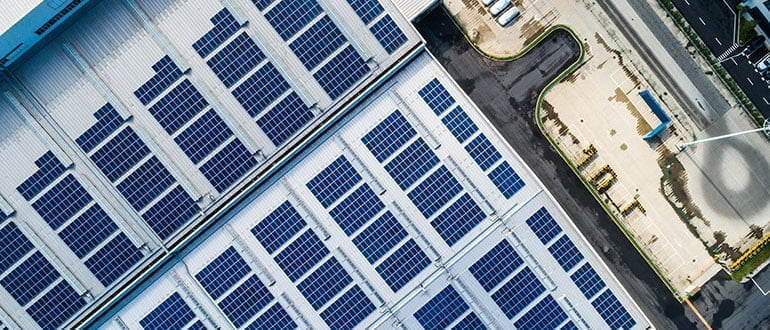
2021 is already proving itself to be an exceptionally busy year for us here at Low Carbon Energy, as more and more organisations across a range of sectors look to transform the way they power their businesses. A rooftop solar panel installation for CCL Labels is just one example of our recent commercial solar panel projects, but in the last few months we’ve also won two projects for the NHS, in addition to several others for more customers in the health sector.
We were appointed by Mace to design and install a bespoke 180kWp solar panel installation for an NHS Blood Transplant Centre in Newcastle, and we’re in the process of installing a 250kWp solar PV system for Singleton Hospital in Swansea. We’re also developing another rooftop installation for Holy Cross, a private hospital.
The increasing frequency of these health-sector projects is an encouraging sign to our experts here at Low Carbon Energy, as it’s a positive indication that the government and public sector organisations are strengthening their resolve to becoming completely carbon neutral within the next few decades.
The NHS has set itself a notably ambitious goal, making it the world’s first national health service to commit to achieving Net Zero by 2030. With luck, national organisations around the world will soon start following suit. Many other individual initiatives are being supported by Salix Finance, which is wholly owned by the government, and provides government funding to public sector organisations to improve energy efficiency.
If you’re thinking about transforming the energy supply of your own organisation, that’s where our experts here at Low Carbon Energy can help.
We have over 30 years of combined experience in helping SMEs, large corporations and public organisations across a wide variety of sectors transform their energy supply. Each of our installations is bespoke, and we tailor your solution on your specific energy profile, helping us to maximise carbon reductions and save you up to thousands of pounds in energy bills. You can look at our case studies, or to find out how we can help you, feel free to give us a call today on 01282 421 489!
Yes. Hospitals typically have high daytime electricity demand, making solar PV highly compatible with operational energy use.
Savings depend on system size and site energy consumption, but many public sector installations significantly reduce grid electricity costs over 25 years.
When properly planned, installation can be completed with minimal disruption through phased works and careful coordination.
Most commercial solar panels have performance warranties of 25 years, with operational lifespans often exceeding this.
February 11, 2026
For more than a decade, the commercial sector has benefited from falling solar prices. China’s manufacturing scale and long-term subsidies drove equipment costs to record lows through 2024 and early 2025.
That landscape is beginning to shift. China is now withdrawing several incentives that have supported global affordability, including an estimated 30% reduction in the global solar module output tied to these subsidies, according to recent data from the International Energy Agency (IEA). These changes will influence international pricing and the financial profile of commercial installations through 2026 and beyond.
In this blog, we cover how:
Beijing has begun a phased rollback of the policies that helped accelerate global solar deployment. Key changes include:
These reforms aim to address overcapacity in China’s solar sector and stabilise an industry that has expanded rapidly.
China remains the dominant force in the global solar supply chain. Policy changes of this scale quickly affect international markets, influencing procurement costs for major commercial projects.
Industry analysis already points to several emerging trends:
For UK commercial organisations evaluating solar, acting swiftly to implement projects can translate into a significant competitive advantage. Early movers lock in a multi-year cost advantage by securing lower pricing before the forecasted price increases take effect. This not only improves payback periods but positions them ahead of their peers who may delay and face higher costs.
Large-scale users in manufacturing, logistics, warehousing, engineering and similar sectors will be most affected by these pricing shifts. Early engagement offers several advantages:
With export rebates being phased out, equipment prices are expected to increase. Procuring earlier helps protect project budgets.
Lower capital expenditure delivers shorter payback periods and stronger long-term returns.
As more organisations seek to secure pre-increase pricing, demand for equipment and installation capacity is likely to intensify. Early scheduling provides greater certainty. To further reduce supply chain risk, businesses can lock multi-year module contracts or diversify their supplier base.
The next twelve months may be the final stretch of historically low commercial solar pricing. As global supply chains adjust and subsidies are phased out, higher baseline costs are increasingly likely. For example, a six-month wait could add £50,000 to a 1 MW system, highlighting the need to act promptly.
For businesses that have been weighing the move to solar, this is a prime moment to progress plans before the market shifts.
We are already working with clients to secure current pricing and protect project value ahead of expected global changes. If you would like a detailed proposal showing the savings available today or clarity on how China’s policy adjustments may affect your project, our team is ready to assist.
Speak with us to explore the most cost-effective route to commercial solar for your organisation.
November 28, 2025
For many UK businesses, investing in commercial solar panels has become one of the most effective ways to reduce energy costs, improve sustainability credentials, and protect against rising grid prices. However, understanding how a solar installation project unfolds — from the first feasibility check through to ongoing operation and maintenance — is key to maximising long-term value.
This guide walks you through the end-to-end solar journey, helping business owners, energy managers, and facility teams understand what to expect at each stage.
Every successful solar project starts with a detailed feasibility study. This phase establishes whether solar is technically and financially viable for your site.
Key steps include:
At this stage, your installer will provide an outline design and commercial proposal showing the best system size and configuration for your business objectives.
Once feasibility is confirmed, the next step is a detailed engineering survey. This involves site visits by structural engineers, electrical designers, and health & safety specialists to capture precise details of the roof, cable routes, and switchgear locations.
From here, the final system design is produced — including layout drawings, string configuration, inverter placement, and cable sizing. The design ensures compliance with all relevant standards (BS 7671, G99, and DNO requirements) and that your system performs safely and efficiently.
Depending on your project type and location, planning permission may be required. Most roof-mounted systems fall under Permitted Development Rights, but ground-mounted systems or carports often need full planning consent.
Simultaneously, your installer will apply for grid connection approval under the G99 process to ensure the local Distribution Network Operator (DNO) allows your system to connect.
These applications can take several weeks to process, so it’s essential that they are submitted early to avoid delays.
Once approvals are in place, your installer will finalise procurement — securing panels, inverters, mounting systems, transformers, and other balance-of-plant components.
For business clients, choosing Tier-1 equipment suppliers ensures long-term reliability and warranty protection (typically 25+ years for solar modules).
A construction programme is then developed, outlining milestones from delivery to commissioning. This stage may also include coordination with your facilities team to manage shutdowns or access restrictions.
This is the most visible phase — when your solar system is actually built.
Installation typically involves:
For a typical 1–5 MW commercial solar system, installation is approximately 150kW per week, depending on weather, site complexity, and access.
A reputable EPC contractor will manage Health, Safety & CDM compliance, coordinate with your internal teams, and provide regular progress updates.
Once installed, the system undergoes a series of commissioning tests to confirm it’s performing to design specifications.
You’ll receive a comprehensive handover pack, including:
Your solar array is then switched on and begins generating clean, renewable power — immediately reducing your grid import costs.
Solar systems are low-maintenance, but regular inspection and servicing are vital for optimal performance and long-term yield.
A professional O&M package will typically include:
For commercial systems, this ensures consistent generation performance and protects your warranties and investment returns.
Post-installation, your solar partner should provide performance ratio (PR) reporting, yield analysis, and financial tracking against your original model.
Many businesses choose to integrate solar data into their ESG or CSR reporting, demonstrating measurable CO₂ savings and sustainability impact to customers and stakeholders.
You don’t need to fund a system outright to benefit – there are several funding options available to minimise the initial financial outlay:
Find out more about our routes to finance and ownership:
You can also read more about our solar panel systems and the kinds of energy savings businesses typically achieve.
A well-executed solar project requires expertise across design, electrical engineering, grid compliance, health & safety, and ongoing maintenance. Choosing a specialist EPC partner like Low Carbon Energy (part of Activ8 Energies and SSE Group) ensures every phase — from feasibility to O&M — is managed seamlessly under one roof.
If you’re considering installing solar panels and want a practical, low-disruption service, we can help. Speak to our team, book a survey or request a detailed proposal today by calling 01282 421 489 or filling out a contact form.
PV modules connect in series as ‘strings’ to reach the target DC voltage, then into inverters which convert DC to AC for your building. Any surplus solar energy can then be exported back to the grid via your meter, in agreement with your energy supplier.
Battery systems are installed indoors or in external enclosures, connected on the AC side (most commonly for commercial) or DC-coupled, depending on the design. We specify batteries to smooth peaks and increase self-consumption.
While there isn’t a single ‘best’ method, the right approach matches your site. For example, in residential properties, the priorities differ from commercial/industrial sites. For the latter, we optimise for safety, yield, grid compliance and lifecycle cost. A professional survey ensures the installation process and electrical work meet current UK standards.
Every project is different – larger systems (or weather-sensitive works) may take longer, but small rooftop systems can be faster once the necessary approvals are made. See a more detailed overview at the ‘What’s a typical timeline for solar panel installation?’ section above.
We strongly advise using experienced, accredited commercial installers for PV panel installation to safeguard quality, warranty and performance of your system.
Usually, rooftops are the best place to install a solar panel system, however you can also consider ground-mounted or carports if you need more capacity.
November 18, 2025
With energy prices remaining unpredictable and carbon-reduction targets tightening, more UK businesses are turning to solar energy to cut operating costs and lock in long-term energy savings.
But before installation begins, the key question is — how do we fund it?
This guide outlines the main funding options for commercial solar projects — CapEx, Power Purchase Agreements (PPAs), and Asset Finance — plus a look at available grants and incentives to help businesses make the switch to clean energy.
In short, yes. Funding for solar panels is real and achievable for both individuals and organisations – whether through government-backed schemes, private finance or tax incentives – there are multiple ways to make the upfront cost of solar more manageable.
Solar funding exists to encourage the adoption of renewable energy, reducing the UK’s reliance on fossil fuels and helping businesses lower their electricity bills. For commercial projects, the financial support available generally depends on the size of your system, energy usage and business type.
Absolutely. Solar funding applies across a wide range of sectors, including:
Low Carbon Energy works with businesses of every shape and size to secure the best possible route to funding and offers clear advice and transparent options from start to finish.
Eligibility varies depending on the scheme, but most businesses will qualify if they:
Some grants also prioritise organisations that can demonstrate they’re actively working towards Net Zero or have measurable sustainability goals in place.
Can schools get funding for solar panels?
Yes, schools can access several funding routes for solar panels, including government-backed loans, local authority sustainability funds and commercial solar finance.
In 2025, the government announced new investment into solar for schools and hospitals, further supporting the transition to renewable energy across the education sector. Schools can also explore options such as asset finance, leasing, or a Power Purchase Agreement (PPA), meaning they can benefit from solar without paying any upfront costs.
For educational institutions, solar can be a practical way to cut electricity bills and demonstrate environmental leadership to pupils and the wider community.
Under a CapEx model, your business purchases and owns the solar system outright. You pay for the design, installation, and commissioning costs upfront, and from the day it goes live you benefit from:
Financial benefits:
Tax advantage – Annual Investment Allowance (AIA):
Solar installations are eligible for the Annual Investment Allowance, meaning you can usually claim 100% of the system cost against taxable profits in year one.
Example:
A company investing £300,000 in solar can deduct the full cost from taxable profit, reducing its corporation tax bill by up to £57,000 (assuming a 19% rate).
This makes CapEx ideal for profitable businesses with available cash reserves looking for the highest long-term return.
A Power Purchase Agreement allows your business to benefit from solar without any upfront spend.
Under a PPA:
Advantages:
At the end of the agreement, ownership can often transfer to your business for a nominal sum, providing decades of free, clean electricity.
This is an excellent solution for companies seeking to preserve cash and still advance their Net Zero goals.
If you prefer ownership but want to avoid the upfront cost, asset finance offers a flexible middle ground.
A finance provider funds the system, and you repay over a 5–10-year term — with the solar array itself acting as security.
Benefits include:
Seasonal payment options:
Many lenders now offer seasonal repayment structures — allowing you to pay more during peak generation months (spring/summer) and less during winter.
This structure mirrors the system’s production profile and helps keep the project cash-positive throughout the year.
Asset finance can also be combined with the Annual Investment Allowance, letting you claim full tax relief even while repaying the system over time.
While national grant schemes for solar are limited, there are targeted funding opportunities available through:
Grant values and eligibility criteria vary, but they can contribute significantly toward installation costs or feasibility studies.
To find out what’s currently available, check your local council’s business sustainability or net-zero funding pages, or speak with your solar partner, who can often help identify and apply for relevant schemes.
Funding Route | Upfront Cost | Ownership | O&M Responsibility | Typical Term | Ideal For |
CapEx | 100% upfront | Business | Business | Immediate | Profitable firms with capital available |
PPA | £0 upfront | Funder (transfers later) | Funder | 15–25 years | Businesses seeking no-cost, risk-free solar |
Asset Finance | None (monthly repayments) | Business | Business | 5–10 years | Firms wanting ownership with steady cash flow |
Grant Funding | Variable | Business | Business | N/A | Eligible sectors or regions with local incentives |
Your ideal funding route depends on your organisation’s goals:
A trusted solar partner can model each option to show projected savings, payback, and environmental impact.
At Low Carbon Energy, we help businesses of all sizes navigate the best route to solar adoption — from feasibility and design through to financing and operation.
Our experts can provide a free funding comparison report, illustrating the financial performance and CO₂ savings for each model.
To start exploring your options today, visit our funding page, or contact us to discuss your project with one of our experts.
November 6, 2025
The chatter around carbon neutral vs net zero can be confusing, but the distinction between the two matters greatly for strategy, reporting and procurement. In short, carbon neutral balances this year’s CO₂ emissions with real reductions and credible carbon credits. Net zero means you deeply reduce all greenhouse gas emissions across your operations and supply chains, then neutralise only a small, residual amount with verified removals.
In this comprehensive guide, we’ll explain the definitions, how the targets compare and the practical steps to plan, fund and deliver measurable reductions.
Contents:
Carbon neutral means the carbon dioxide (CO₂) you emit over a set period is balanced by funding an equivalent amount of CO₂ removal or avoidance, typically through verified carbon credits. Most organisations will first measure their annual CO₂ footprint (usually Scopes 1 and 2, then material Scope 3 sources), reduce emissions through efficiency and cleaner energy and then offset the remainder to reach a net balance of zero CO₂ for that year.
It’s typically limited to CO₂ and can be applied to operations, a product, an event or a specific site as a near-term milestone while longer-term reductions are delivered.
The aim is to balance emissions today while you continue to prioritise practical reductions year on year.
Net zero is achieved across all greenhouse gases, not just CO₂, after making deep, absolute reductions across your entire value chain i.e. Scopes 1, 2 and 3. Only a small residual (the portion that is genuinely hard to eliminate with current technology) should be neutralised using long-term removals that permanently remove carbon dioxide from the atmosphere.
In practice, net zero means you should prioritise reduction first, then address the final few percent with durable removals. It’s a whole-business commitment that extends beyond direct energy use to suppliers, logistics and product lifecycles.
Find out more at the National Grid blog.
Scope and gases
Carbon neutral generally focuses on CO₂ and may apply to a narrower set of sources, for example, office energy or a product line. Net zero covers all greenhouse gases across Scopes 1, 2 and 3, including purchased goods, transport and use-phase impacts where material.
Reduction vs credits
Carbon neutral allows a larger role for offsets today to balance current CO₂, whereas Net zero demands deep reductions first, with only a small residual neutralised by removals.
This keeps the focus on abatement – efficiency, electrification and renewables – rather than relying on credits.
Targets and timelines
Carbon neutral targets are usually near-term milestones, e.g. carbon-neutral operations this year. Net zero targets, on the other hand, align to long-term decarbonisation, e.g. meaningful progress by 2030 and a 2050 outcome, supported by credible plans and annual reporting processes.
Carbon neutrality can be useful for specific operations or products; however, a net-zero commitment usually covers the whole value chain and requires deeper transformation across teams and sites, and for many organisations, this sequencing keeps changes manageable and cost-effective.
Just getting started? Read 5 surprisingly simple steps to help your business achieve net zero and download our Net Zero Checklist to help structure your action points and track progress.
The UK is moving towards a net zero economy, as outlined in the government’s Net Zero Strategy, which is already shaping disclosure rules, procurement criteria and investor expectations. Taking early action reduces compliance risk, increases your credibility with customers setting their own targets and helps you avoids a scramble as reporting and supply-chain requirements tighten. Failing to keep up with the changes can lead to lost tenders, higher costs and exposure to policy or reporting penalties as standards evolve, especially where contracts reference net-zero-aligned suppliers.
A focused plan is simply good business. Cutting energy waste and generating clean power on site by installing solar panels for example, helps stabilise costs and reduces your exposure to volatile fossil-fuel prices.
There are also many straightforward ways to fund projects without hefty upfront costs, from finance options to relevant grants – visit our Funding page for more information and to find the option that suits your business.
1) Measure your baseline
Build a reliable picture of Scopes 1, 2 and 3 emissions across your operations and supply chains – this underpins targets and ongoing reporting.
2) Set the right targets
For carbon neutral, define your annual CO₂ reduction plan and budget for carbon credits to balance what remains. For net zero, set science-led near-term targets and a long-term plan to achieve net zero carbon emissions, neutralising only the residual with removals.
3) Reduce first
Prioritise audits, metering and controls; improve insulation and processes; electrify heat and transport where viable; and deploy onsite solar PV, considering battery storage where it adds resilience.
4) Engage your supply chain
Work with your suppliers and logistics partners to cut Scope 3 emissions and embed science-based target requirements for key suppliers.
5) Neutralise the remainder
For carbon neutral, use high-quality carbon credits to balance remaining CO₂. For net zero, use durable removals that permanently remove carbon dioxide from the atmosphere to address the small, unavoidable residual once deep reductions are achieved.
6) Data and disclosure
Build dashboards, publish your progress annually and keep assurance and audit trails. Need more guidance? Use our Net Zero Checklist to help structure your programme.
If you’re comparing carbon neutral vs net zero for your organisation, need help setting credible targets and prioritising reductions or interested in deploying solar to cut costs and emissions, speak to our expert team on 01282 421 489 or contact us online.
November 6, 2025
When businesses consider investing in solar energy, one of the most important yet least understood aspects of the process is DNO approval. The Distribution Network Operator (DNO) plays a vital role in determining how your solar PV system connects to the grid, how much power it can export, and what technical conditions must be met for the installation to go ahead.
Getting this part right is critical. For many commercial projects, DNO restrictions can influence system size, cost, and return on investment. At Low Carbon Energy, we handle this process from start to finish, ensuring your project moves forward smoothly and efficiently but understanding what happens behind the scenes can help your business make more informed decisions.
A DNO is the organisation responsible for running and maintaining the local electricity distribution network. There are six DNOs covering the UK, including companies like Electricity North West, UK Power Networks, and Northern Powergrid. Each manages the infrastructure that delivers electricity from the national transmission network to homes and businesses in its region.
When a commercial solar installation is planned, the DNO must be consulted because your system interacts directly with this grid. If you’re generating your own energy, you may still rely on grid power at times, but when your solar panels produce more energy than you consume, that surplus can be exported back into the grid.
The DNO’s job is to make sure this connection is safe, balanced, and doesn’t overload local circuits. Without their approval, you can’t legally export electricity and for larger systems, you can’t even connect in the first place.
DNO requirements fall under national engineering standards known as G98 and G99. These standards are set by the Energy Networks Association and define how distributed generation, such as solar PV, is connected to the grid.
If your solar installation is relatively small (for example, a small business system up to 3.68kW on a single-phase supply or 11.04kW on a three-phase supply) it will typically fall under G98 regulations. These systems are considered “fit-and-notify,” meaning the installer can complete the installation and then inform the DNO within 28 days.
In other words, you don’t need prior approval before the system is installed. However, this only applies to small-scale systems. For most commercial buildings, especially those with higher power needs, this limit is quickly exceeded.
Most commercial and industrial solar PV systems require G99 approval. This process is more detailed and must be completed before any installation work begins. Under G99, the DNO assesses how your system will interact with the local grid and whether the network can accommodate the extra generation.
They’ll look at things like:
Depending on their findings, the DNO may approve your application, approve it with conditions (such as export limits), or request network upgrades before connection is allowed.
Because every part of the UK grid operates differently, restrictions can vary significantly from site to site. However, there are several common scenarios that commercial clients encounter.
Export limitations
One of the most frequent conditions imposed by DNOs is an export limitation. This restricts the amount of power your solar system can send back to the grid at any one time.
For example, you may have a 500kWp solar system installed, but the DNO may only permit you to export 100kW of that capacity. Any energy generated beyond that limit must be used on-site or curtailed automatically.
Export limits are most often imposed in areas where the grid is already operating close to its capacity. In such cases, the DNO’s priority is to maintain stability and prevent voltage issues.
At Low Carbon Energy, we use smart inverters and export-limiting controls to comply with these restrictions while optimising on-site energy usage. This ensures you still gain the maximum financial benefit from your investment.
Timed or dynamic export curtailment
In some areas, DNOs use curtailment agreements, which allow export only during certain times or under certain conditions. For example, you might be allowed to export freely at night or during periods of low grid demand, but your system could be curtailed automatically during peak times.
For energy-intensive businesses, this can influence operational planning. Our design team evaluates these factors early in the project, advising clients on the best way to balance generation, storage, and usage to minimise disruption.
Grid reinforcement requirements
Occasionally, the DNO may determine that your connection would exceed the available capacity in the local network. In that case, grid reinforcement such as upgrading transformers, cabling, or substations may be required.
While this can be costly and time-consuming, early engagement with the DNO helps identify these challenges before a project begins. Low Carbon Energy’s engineers regularly liaise with DNOs to explore all available options, including staged export increases or shared network upgrades with nearby developments.
The DNO application process for commercial-scale systems involves several stages, each designed to protect both your system and the wider electricity network.
Preliminary grid assessment
Before submitting a formal application, it’s often beneficial to carry out a feasibility study or informal grid capacity check. This gives a clear picture of any potential constraints in your area and helps avoid wasted time later.
Formal G99 application
The next step is to submit a G99 application to your regional DNO. This includes detailed electrical data, single-line diagrams, and proposed generation capacity. The DNO then reviews your submission and runs network modelling to assess the impact of your connection.
Offer and conditions
Once the DNO’s assessment is complete, they’ll issue a Connection Offer outlining the conditions, costs, and timelines. This document will specify your approved export capacity, any reinforcement requirements, and technical obligations (such as the need for protection relays or control systems).
Installation and commissioning
After you accept the offer, installation can proceed. Once complete, the DNO conducts witness testing and verifies compliance before granting permission for export.
For smaller G98 systems, this step is much simpler – your installer simply notifies the DNO after commissioning.
Timescales depend heavily on system size and local grid conditions. For smaller commercial installations under 100kW, DNO approval typically takes around 8 to 16 weeks. Larger systems or those requiring detailed network studies can take anywhere from three months to over a year, particularly if reinforcement work is required.
Costs also vary. Simple applications might cost a few hundred pounds, while major projects involving new substations or upgraded infrastructure can reach tens or even hundreds of thousands. This is why it’s so important to factor DNO considerations into your project planning at the very beginning.
At Low Carbon Energy, our feasibility assessments include a detailed review of likely DNO implications, helping clients budget accurately and avoid surprises later in the process.
While DNO restrictions can seem like a barrier, they don’t have to limit your project’s potential. The key is smart system design and proactive energy management.
Maximising self-consumption
The simplest way to minimise DNO export restrictions is to use as much of your generated power as possible on-site. Our design team analyses your consumption patterns to align generation with demand, ensuring your solar system directly offsets your electricity costs.
Battery storage integration
Battery storage is increasingly becoming a vital part of commercial solar strategies. When export limits are in place, batteries can store excess solar energy for later use rather than curtailing generation. This reduces grid dependency, provides backup resilience, and can even enable participation in demand response schemes.
Export limiting controls
Modern inverters and control systems can automatically cap export levels to comply with DNO limits while still allowing full system output for internal use. This technology allows businesses to meet regulatory requirements without compromising productivity or efficiency.
How DNO regulations support grid stability
While DNO rules may seem restrictive, they serve a crucial purpose: maintaining the reliability and safety of the UK’s electricity grid.
As renewable generation grows, the grid must balance variable supply from solar and wind sources with demand that changes throughout the day. Uncontrolled exports could cause voltage fluctuations, overload circuits, or even trigger outages.
By enforcing standards like G98 and G99, DNOs ensure new generation sources integrate safely into the existing network. These standards also help protect your investment by maintaining stable grid conditions for both import and export.
For many businesses, the DNO process can be daunting but it’s a core part of what we do every day. Low Carbon Energy acts as your technical partner, managing every aspect of the DNO relationship from application to approval.
Our in-house engineering team:
This proactive approach ensures our clients’ projects progress without delay and deliver maximum performance from day one. We’ve successfully managed connections across a wide range of DNO regions from high-demand industrial parks to rural manufacturing sites giving us practical insight into the variations in local grid conditions.
The UK’s energy landscape is changing rapidly. As more businesses adopt solar power and battery storage, DNOs are evolving into Distribution System Operators (DSOs), taking a more active role in managing generation and demand.
In the future, dynamic export agreements and local energy trading could replace today’s fixed restrictions. Businesses with flexible energy assets, such as solar-plus-storage, will be well-positioned to take advantage of these new models.
We’re already preparing for this shift by designing systems that can integrate seamlessly with future grid flexibility services. Our goal is to give clients energy independence today while keeping them ready for the opportunities of tomorrow.
DNO restrictions are a key part of the UK’s solar energy framework. They ensure that every new solar installation from small business rooftops to large-scale ground arrays connects safely and reliably to the national grid.
For businesses, understanding DNO requirements early in the process helps avoid delays, control costs, and optimise system design. Partnering with an experienced installer like us means every technical, regulatory, and compliance step is managed on your behalf, leaving you free to focus on your core operations while gaining all the benefits of clean, low-cost solar power.
If you’re planning a commercial solar installation, our experts can guide you through the DNO process from initial feasibility to final commissioning. To discuss your project, contact Low Carbon Energy today on 01282 421 489 or contact us to arrange a consultation.
October 24, 2025
Solar panels are designed to be durable and efficient, with no moving parts and long lifespans. That said, they’re not completely maintenance-free and over time, dirt and debris can build up, components can degrade, and performance can be affected.
Regular inspections and professional servicing help identify any issues before they cause major problems and ensure your solar panel system continues to generate clean, reliable solar energy.
In this article:
Solar panels are designed to be robust, but several issues can reduce their efficiency if not addressed through frequent solar panel maintenance, many of which are preventable – but only if the system is regularly inspected and serviced.
Inverters convert the direct current (DC) produced by solar panels into alternating current (AC), which your business can use. Because they work continuously, inverters are one of the most common components to experience faults. Problems can include software errors, overheating, or general wear over time, and if ignored, inverter faults can result in a significant drop in energy output across the entire system. Regular servicing ensures inverters are monitored, repaired or replaced when needed, keeping your solar energy system working effectively.
As with any electrical installation, wiring and connections can degrade over time. Loose connections, corrosion or water ingress can lead to faults that interrupt energy generation or even present safety risks. If left unchecked, minor electrical problems can escalate into expensive breakdowns, so routine inspections by a professional solar panel installer can catch issues early and prevent downtime, ultimately safeguarding your energy supply.
For businesses with battery storage, maintenance is particularly important. Batteries store surplus energy for later use, but their performance can be reduced if not properly managed. Over time, cells degrade and reduce storage capacity and efficiency. Without regular monitoring, your business could be relying on a battery that is only partially effective, so implementing periodic servicing extends battery life and ensures you are getting the best value from your system.
While panels themselves are durable, extreme weather, falling branches from nearby trees or accidental impact can cause cracks or surface damage, and even small defects can reduce performance and increase the risk of faults spreading across the system. Broken glass or water ingress can also lead to long-term electrical faults. Professional inspections help spot this early and recommend repairs or replacements where needed, preventing minor damage from becoming a major issue.
As with all technology, solar panels gradually lose efficiency over time – typically averaging around 0.5% per year. If not monitored, this gradual drop in performance can go unnoticed, leaving businesses with rising grid energy costs. Maintenance checks benchmark system output, helping to track and manage long-term quality so that businesses can plan ahead for replacements when necessary, rather than waiting for a sudden drop in performance.
One of the simplest but most common issues is the buildup of dirt and debris. Dust, bird droppings and pollution can accumulate on the surface, reducing the amount of sunlight reaching the cells, and over time, this can cut efficiency by several percentage points, especially in urban or industrial areas.
Cleaning your solar panels properly (never with a pressure washer, which can cause cracks) helps to maintain efficiency. Professional cleaning is generally recommended, especially for large systems or panels installed in hard-to-reach places.
If part of a solar panel is shaded or covered in debris, the affected cells can overheat and create ‘hot spots’, which can damage the panel permanently and reduce the system’s overall performance. Routine checks and cleaning prevent these from occurring, ensuring your panels operate at peak efficiency.
A solar panel system that has not been installed correctly can face ongoing issues such as poor wiring, ineffective mounting etc. Inadequate setup can also lead to higher maintenance costs later down the line, so choosing an experienced installer like Low Carbon Energy ensures systems are designed and fitted to the highest standard. Regular maintenance also further lowers the risk of problems caused by poor installation, ensuring long-term system stability.
Solar panel maintenance goes beyond simply keeping your panels clean. Having your system professionally serviced provides peace of mind that you are getting the most from your investment, and covers monitoring, inspections and servicing to ensure every part of your solar installation works as it should.
Modern systems include monitoring tools that track energy generation, providing real-time alerts if there’s a sudden drop in output – often a sign of an underlying issue. Monitoring is one of the most effective ways to maintain your solar panels, as it ensures problems are spotted quickly. Many businesses now use advanced asset management tools to analyse system data, identify inefficiencies and maintain consistent output across the year.
Keeping panels clean is essential. In some cases, rainfall can naturally clean your solar panels, but businesses in dusty areas or with panels installed near trees, for example, may need more frequent cleaning. However, it’s important not to use a pressure washer, as this can cause cracks, and instead, hire a professional or use specialist cleaning equipment designed for solar PV systems. For larger commercial sites, maintenance contracts often include scheduled cleaning, reducing the risk of output loss and keeping your panels performing at their best.
Professional inspections are the most effective way to maintain your solar panel system. Engineers will check wiring, mounting systems, inverters and batteries (if fitted) to ensure everything is operating safely and efficiently, identifying any early signs of damage that might otherwise be missed from ground level. For large-scale systems, inspections are typically recommended at least once a year. Businesses with multiple sites often choose annual service packages to guarantee consistent performance across their portfolio.
Most commercial solar panel systems benefit from professional servicing at least once a year, but the frequency can vary depending on the size of your installation, location and how much energy you generate. Systems with higher annual output, or those that include battery storage, may require more frequent inspections, e.g. a factory with heavy daytime energy demand could benefit from biannual checks to make sure the system keeps pace with usage.
Solar panels typically last 25 – 30 years, and don’t usually need replacing before this unless they’re damaged or suffer from significant long-term degradation. Towards the end of their lifespan, panels are likely to operate at lower efficiency, but professional servicing helps track performance so you’ll know when a replacement is needed. If degradation is gradual, businesses can plan ahead and budget for replacement, avoiding sudden disruption.
The cost of solar panel maintenance varies depending on system size, location and whether you choose individual services or a package. For most commercial systems, cleaning and inspections can range from a few hundred pounds per visit, while bigger sites might pay more. Factoring in solar panel maintenance packages can help spread costs and ensure consistent care, but it’s also worth noting that proactive maintenance often saves money in the long run, preventing expensive breakdowns and maximising the return on your solar investment.
At Low Carbon Energy, we offer tailored solar panel maintenance packages to suit your business needs, from performance monitoring to professional cleaning and inspections. Our services keep your system operating efficiently for the long term. Speak to our experts today to find out more.
September 2, 2025
We’ve always believed that the path to a sustainable future is paved with collaboration, expertise, and innovation. Today, we’re proud to share the next chapter in our journey: we have joined forces with Ireland’s leading solar provider, Activ8 Energies, as part of their UK expansion strategy.
This partnership strengthens our ability to deliver large-scale solar PV and renewable energy solutions to more businesses, more quickly, and with greater resources behind us. While we’ll continue to operate as Low Carbon Energy with the same leadership, values, and commitment to quality, we now have the backing of Activ8’s extensive experience, resources, and strategic vision.
The commercial and industrial solar market is growing rapidly, and demand for secure, sustainable energy has never been greater. With energy-intensive industries under pressure to cut emissions and future-proof operations, access to high-quality, large-scale renewable installations is critical.
By combining our 16 years of UK expertise with Activ8’s 20-year track record in Ireland, we’re in an even stronger position to support businesses across manufacturing, logistics, retail, and infrastructure. Our collective portfolio already includes some of the most recognised names in the UK and beyond, from BMW and Tata Steel to Boeing, Co-op, and the NHS, and this new alliance will help us deliver even more ambitious projects.
Activ8’s work speaks for itself. They recently delivered a £3 million solar farm at Liverpool’s John Lennon Airport, which will soon provide 25% of the airport’s total electricity. Their focus on quality engineering, customer satisfaction, and large-scale renewable delivery mirrors our own ethos, making this a natural fit.
Together, our mission is clear:
Benedict Ennis, Managing Director, will continue to lead Low Carbon Energy as Managing Director, with our founder, Ged Ennis, remaining as Non-Executive Director to provide strategic guidance. For our clients, it’s business as usual, only with an even greater capacity to deliver.
We’re already working on a strong pipeline of nationwide projects, and with Activ8’s support, our ability to help businesses cut costs, secure long-term energy stability, and reduce carbon emissions has never been stronger.
This is more than just a change in ownership. It’s a commitment to scaling renewable energy in the UK at a pace and level that meets the climate and economic challenges ahead.
If your business is looking to take control of its energy future, now is the perfect time to talk to us.
August 13, 2025